
Volodymyr Zelenskyy—once a symbol of Ukrainian resilience and global wartime leadership—now confronts a serious domestic crisis largely of his own making. With anti-corruption institutions under threat, public demonstrations underway, and mounting international concern, his ability to rebound hinges on restoring institutional trust, honoring democratic norms, and maintaining support amid Russia’s intensifying war.
Since 2019, Zelenskyy’s path has been shaped by two separate political trajectories. Elected with pledges to eliminate corruption and overhaul the entrenched political elite, he encountered early setbacks as progress slowed. His approval ratings fell significantly during 2021 due to halted reforms and an ambiguous leadership course. Detractors contended he had promised more than he could achieve.
Then came the 2022 Russian invasion—a watershed moment during which Zelenskyy transformed into a wartime leader. His refusal to flee Kyiv, daily public addresses, and deft use of international media turned him into a global figure, rallying Western support and national unity. This period forged a new political consensus around him—a coalition forged in crisis, not routine politics.
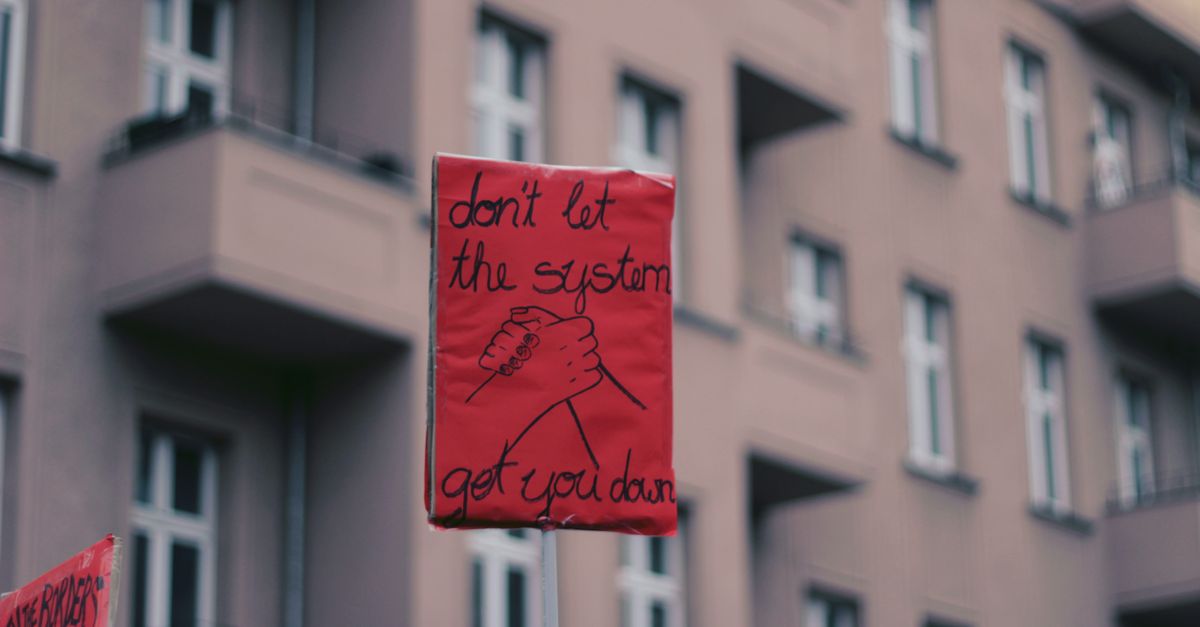
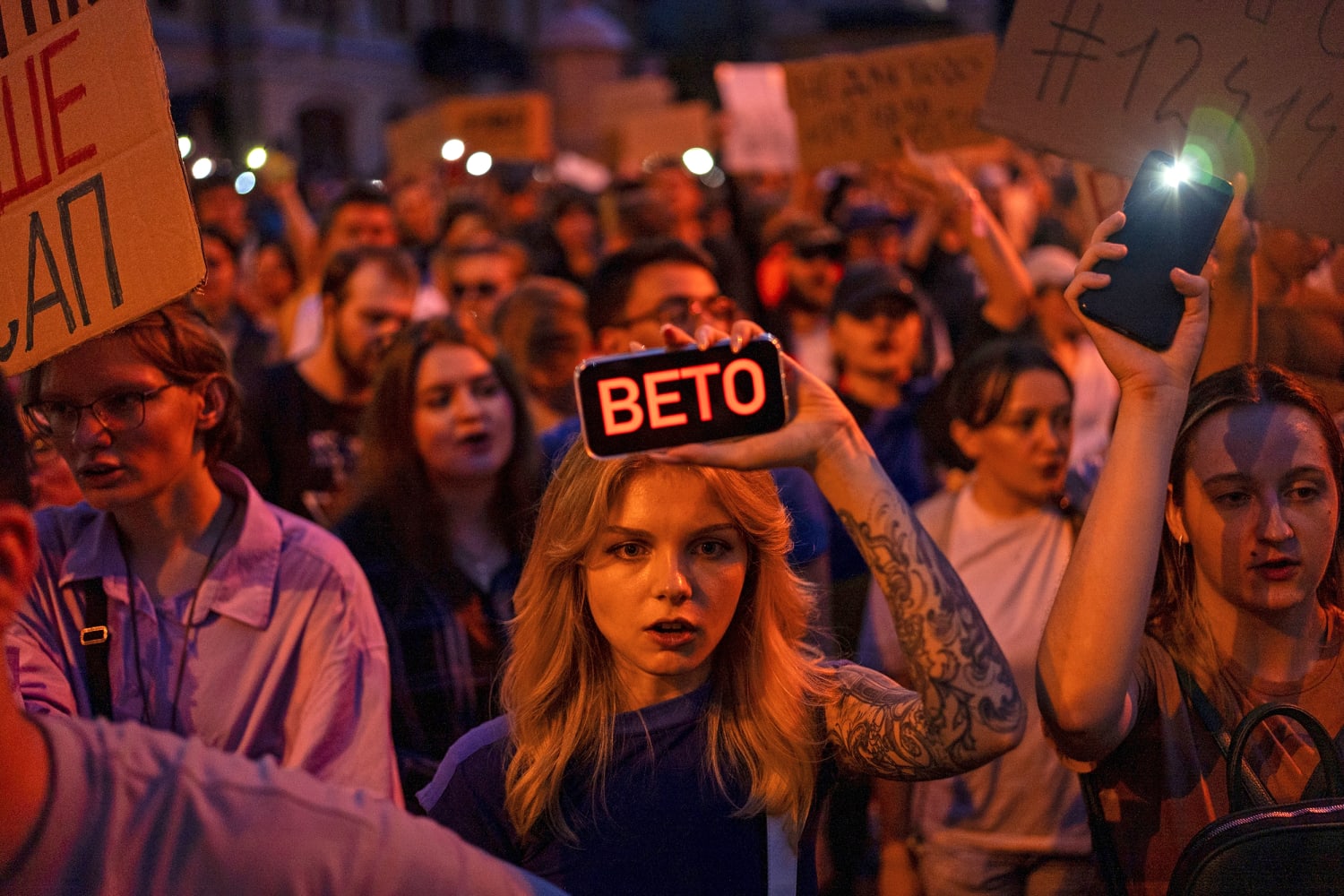
However, as the cohesion fostered by wartime efforts reinforced his authority, underlying vulnerabilities began to re-emerge beneath the facade of unity. Not long ago, new laws bringing Ukraine’s two primary anti-corruption agencies under governmental oversight sparked the most significant internal unrest since the conflict began. Thousands took to the streets across the country, as EU representatives, Western partners, and even Ukrainian military personnel expressed their concerns.
Under stress, Zelenskyy changed direction and introduced new laws to reinstate autonomy to these agencies. Nevertheless, his standing remains damaged. Detractors now wonder if he leans towards authoritarianism, thereby weakening the democratic principles he promised to maintain.
First, restating the need for transparent governance. To restore trust, Zelenskyy should execute commitments to shield NABU and SAPO from any political meddling. Well-defined, actionable reforms supported by all parties involved—Europe’s bodies included—would not undo the error but would indicate a renewed sense of responsibility.
Second, engaging the public constructively. A return to consultative decision-making, visible legislative oversight, and public dialogue can begin mending trust. Protesters across Kyiv, Lviv, Odesa, and beyond represent a nationwide demand to safeguard progress since the Maidan revolution—a demand that cannot be ignored.
Third, balancing wartime urgency with democratic practice. In wartime, martial law and centralized authority may seem necessary, but extending those measures long-term strains legitimacy. Zelenskyy must clarify a timeline for restoring full democratic norms—especially elections—as military and security conditions evolve.
Fourth, delivering tangible governance gains. Corruption scandals, economic challenges, and administrative missteps have eroded public confidence. Zelenskyy must accelerate reforms—from anti-oligarch measures to public service efficiency—to demonstrate real progress beyond wartime symbolism.
Political analysts suggest that Zelenskyy may still retain enough support to weather the storm—especially compared against opposition figures lacking his wartime stature. Public polling indicates he remains more trusted than most rivals, though not overwhelmingly so. If elections were held now, some believe he’d perform poorly in a head-to-head against leaders like former commander-in-chief Valerii Zaluzhnyi.
Alternatively, stepping aside voluntarily after a single term could preserve his legacy as the leader who united the country during its darkest hours.
What are the risks? If he hesitates—delays institutional reforms, suppresses dissent, or delays elections indefinitely—he risks alienating both domestic civic society and international allies. EU accession prospects, Western aid, and Ukraine’s legitimacy hinge on adherence to democratic benchmarks.
At the same time, surrendering authority too quickly or appearing fractured could destabilize wartime coordination. Striking the right balance between strong leadership and accountable rule is his most delicate challenge.
Can Zelenskyy orchestrate a revival? The opportunity is limited yet accessible. Rebuilding of anti-corruption bodies, stabilizing the economy, and transparent leadership objectives could help him regain control of the discourse. To achieve this, he must transition from ideological populism to practical diplomacy and reform.
As Ukraine faces an escalating assault by Russia, domestic weaknesses might turn into crucial vulnerabilities. Strong governance bolsters both internal stability and confidence abroad.
Whether Zelenskyy recovers hinges on his willingness to correct missteps, open institutions to scrutiny, and reaffirm Ukraine’s democratic identity. If successful, he may retain his place as the wartime figurehead who also honored democratic principles. If he fails, the legacy returns to prewar failings—seen as another chapter in Ukraine’s long struggle with sistema rather than a new beginning.
In the upcoming months, Zelenskyy will be challenged to prove himself not only as a leader during conflict, but also as a statesman dedicated to the revitalization of democracy in times of war and peace.