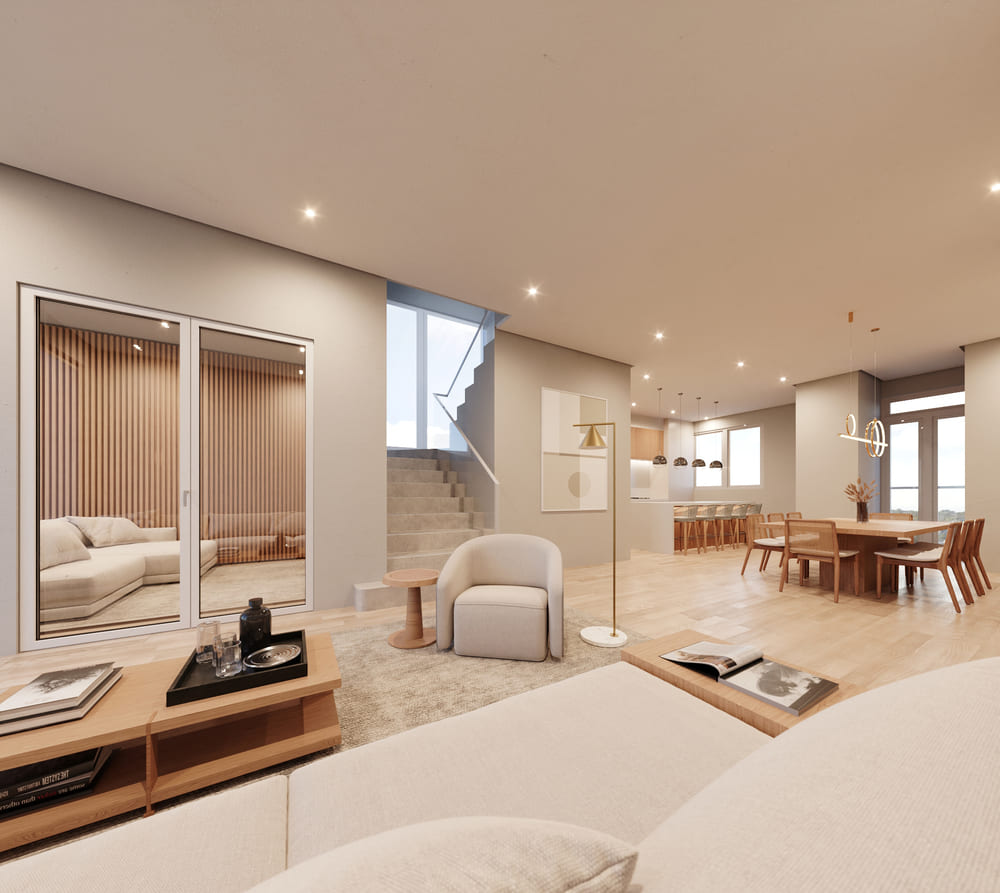
Single-family rental, commonly known as SFR, describes standalone houses rented to occupants instead of being lived in by their owners, and over the last twenty years this field has shifted from a dispersed, small-scale landscape to a fully institutional investment category, with its long-term appeal supported by enduring demand fundamentals, steady income potential, and the ability to adjust to changing economic conditions.
Structural Demand Drivers
The resilience of SFR stems from enduring demographic and lifestyle patterns that reliably sustain demand.
- Household formation outpacing homeownership: In many developed markets, especially the United States, household growth has exceeded the pace of new home construction. Higher mortgage rates, tighter credit standards, and rising home prices have kept many families in the rental market longer.
- Millennial and Gen Z preferences: Younger households often value flexibility, suburban space, and school access without committing to ownership. Single-family rentals offer yards, privacy, and multi-bedroom layouts that apartments cannot.
- Remote and hybrid work: The normalization of working from home has increased demand for larger living spaces in suburban and secondary markets, directly benefiting single-family rental portfolios.
Supply Constraints and Replacement Costs
Limited availability of single-family homes persists across numerous areas, driven by restrictive zoning regulations, shrinking land opportunities, and rising building expenses.
- Limited build-to-rent scale: While build-to-rent communities continue to grow, they still account for only a minor share of the overall housing inventory, which maintains constrained supply levels.
- Rising replacement costs: Escalating material prices and ongoing labor shortages push up the expenses of constructing new homes, helping reinforce the value of existing single-family rental properties.
As a result, these conditions foster an advantageous mismatch in which demand expands more rapidly than available supply, sustaining both rising rents and steady occupancy rates.
Resilient Cash Flow Characteristics
Single-family rentals have shown steady revenue reliability throughout various economic cycles.
- Lower tenant turnover: Families renting single-family homes tend to stay longer than apartment tenants, reducing vacancy and leasing costs.
- Granular income streams: Each property represents a separate lease, which limits concentration risk compared to large multifamily buildings dependent on a single market or employer.
- Rent growth linked to wages: Rents in single-family homes often track local wage growth more closely than luxury apartments, providing a natural inflation hedge.
During times of economic strain, from the global financial crisis to more recent inflationary shocks, professionally managed SFR portfolios have typically upheld strong occupancy rates and reliable rent collection.
Operational and Technological Advancements
Historically, scattered-site management was a barrier to scale. This challenge has diminished significantly.
- Centralized property management platforms: Modern tools make it possible to oversee leasing, upkeep, and tenant interactions for vast home portfolios with greater efficiency.
- Data-driven pricing: Sophisticated analytics help property owners fine-tune rental rates at the neighborhood scale, enhancing consistency in revenue.
- Standardization: Many institutional landlords implement uniform home specifications and maintenance routines, which gradually lower operational expenses.
These improvements have narrowed the operational gap between single-family rentals and traditional multifamily investments.
Portfolio Diversification and Risk Management
Single-family rental properties can provide valuable diversification from an investment standpoint.
- Geographic dispersion: These portfolios may stretch across numerous cities and states, helping limit the impact of region-specific economic slowdowns.
- Tenant diversification: Revenue comes from a wide range of households instead of relying on a narrowly defined renter segment.
- Correlation advantages: SFR assets have historically exhibited weaker correlation with office and retail sectors, supporting greater overall portfolio resilience.
Institutional investors, including pension funds and insurance firms, increasingly regard SFR as a steadying element within diversified real estate portfolios.
Shielding Against Inflation and Supporting Enduring Value Growth
Single-family rentals display features that can maintain real returns over extended periods.
- Annual lease resets: In contrast to extended commercial agreements, residential rents are frequently revised, allowing revenue to keep pace with inflation.
- Land value appreciation: Much of a single-family residence’s overall worth derives from the land itself, which commonly gains value in markets where supply remains tight.
- Capital preservation: Homes positioned in strong school zones and key employment corridors have historically maintained their value even when housing conditions weaken.
These elements help generate overall returns through income and value growth, further underscoring the resilience of the theme.
Policy and Social Considerations
Although they remain under oversight, single-family rentals generally encounter fewer regulatory limitations than other residential categories.
- Local acceptance: Detached homes typically integrate smoothly within established neighborhoods, which often lessens resistance when compared with sizable multifamily projects.
- Housing affordability role: Rental options offer families who cannot or prefer not to purchase a home reliable access to well‑maintained housing, supporting broader community priorities.
Investors who prioritize responsible oversight and active community involvement often reduce both regulatory exposure and reputational risk.
A Lasting Theme Driven by Core Fundamentals
The durability of single-family rental as an investment theme is not driven by short-term market cycles or speculative behavior. It is anchored in persistent housing demand, constrained supply, resilient cash flows, and improving operational efficiency. As households continue to seek space, flexibility, and stability, single-family rentals occupy a unique position between homeownership and multifamily living. This balance, supported by long-term economic and demographic fundamentals, explains why the asset class continues to attract capital and maintain relevance across changing market environments.




.jpg "Investing in Residential Projects in Panama in 2026")