Oceans as the planet’s dominant climate regulator
The global ocean covers roughly 71% of Earth’s surface and acts as the primary regulator of climate. It absorbs and redistributes heat and carbon, moderating atmospheric temperature swings, determining weather patterns, and sustaining life-supporting biogeochemical cycles. Two fundamental roles stand out:
- Heat storage: The ocean has taken up the vast majority of excess heat from greenhouse gas emissions—commonly estimated at over 90% of the planet’s stored excess heat—slowing atmospheric warming but creating long-term thermal inertia that locks in future change.
- Carbon sink: The ocean absorbs a large fraction of human-emitted CO2—roughly a quarter to a third of cumulative anthropogenic CO2—removing carbon from the atmosphere but changing ocean chemistry and biological systems in the process.
These functions are mediated by ocean circulation systems (surface currents, the thermohaline circulation, and regional modes like El Niño–Southern Oscillation) that influence climate at local, regional, and global scales. Disruptions to circulation can alter rainfall, drought, and temperature patterns with major economic consequences.
Ocean-driven climate impacts: sea level, extreme weather, oxygen and acidity
Warming oceans drive several linked physical and chemical changes:
- Sea-level rise: Thermal expansion plus ice melt has raised global mean sea level by roughly 0.2 meters (20 cm) since 1900, with the rate accelerating in recent decades. Rising seas increase chronic flooding, erode coastlines, and threaten infrastructure and real estate values in low-lying regions and major coastal cities.
- Stronger storms and changing extremes: Warmer ocean surface temperatures fuel more intense tropical cyclones and increase moisture availability for extreme precipitation events. High-energy storms raise recovery costs and insurance losses, and they disrupt supply chains and coastal economies.
- Deoxygenation and acidification: Warmer water holds less oxygen, and as the ocean absorbs CO2 its pH has fallen by about 0.1 units since preindustrial times—equivalent to roughly a 25–30% increase in hydrogen ion concentration. Those shifts impair marine life, especially species that rely on calcium carbonate skeletons and shells.
Economic consequences of these processes are already visible in rising disaster damages, declining fisheries productivity in some regions, and greater costs for coastal protection.
Direct economic worth and means of livelihood
The ocean underpins multiple sectors of the global economy and supports livelihoods at vast scale:
- Fisheries and aquaculture: Wild-capture fisheries and aquaculture underpin food security and provide livelihoods for tens of millions worldwide. Current estimates suggest that roughly 50–60 million individuals work directly in these sectors, while billions in coastal and island regions depend on marine protein as an essential element of their diets.
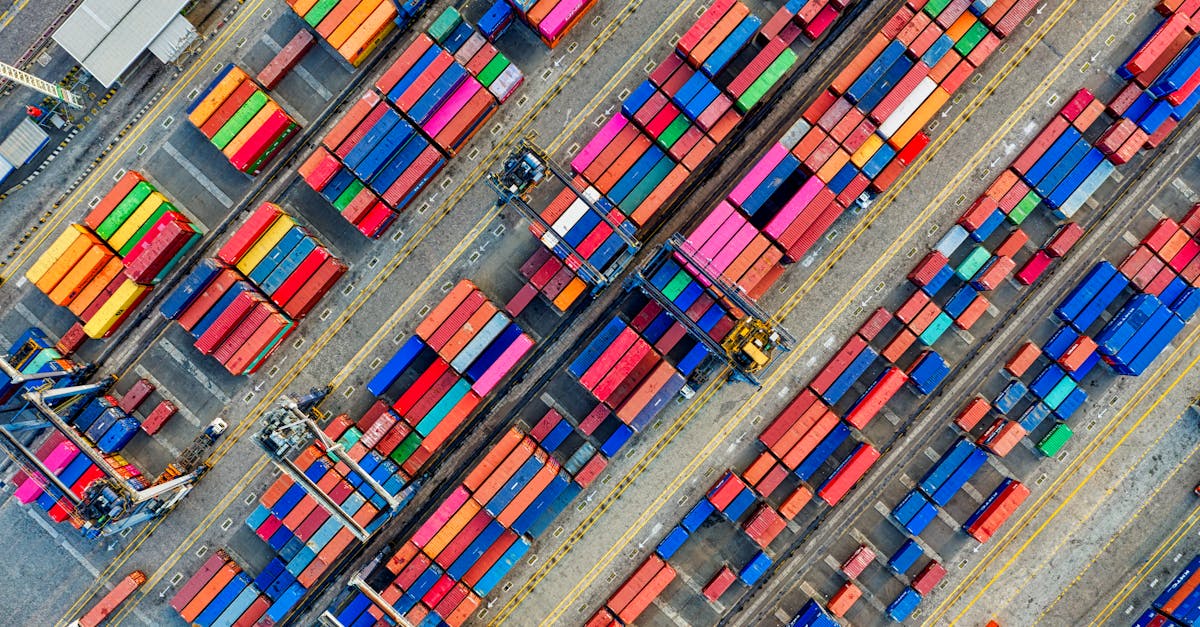
- Shipping and trade: Maritime transport carries close to 80% of global trade by volume, connecting producers with consumers across continents and sustaining modern supply chains. This sector consumes substantial energy and accounts for approximately 2–3% of global CO2 emissions, making decarbonization a pressing regulatory and economic priority.
- Coastal and marine tourism: Beaches, coral reefs, and marine wildlife form the backbone of tourism industries that generate hundreds of billions in annual revenue and sustain jobs in numerous regions.
- Energy and resources: Offshore oil and gas operations, alongside the fast-growing fields of offshore wind and other marine renewables, play significant roles in energy portfolios and investment strategies. Offshore wind is experiencing rapid expansion in Europe, Asia, and North America, emerging as a major driver of clean-energy employment and growth.
- Biotechnology and pharmaceuticals: Marine biodiversity offers valuable compounds for pharmaceutical research, industrial enzymes, and innovative materials with strong commercial potential.
Together, ocean-driven economic sectors generate trillions of dollars each year and provide income for hundreds of millions of people when both direct and indirect connections are taken into account.
Instances in which ocean–climate dynamics resulted in economic impacts
Concrete cases illustrate how intimately ocean health connects to economics:
- Newfoundland cod collapse (1992): Overfishing and ecosystem change led to a fisheries collapse and a prolonged moratorium that devastated coastal communities, costing jobs and regional GDP for decades and demonstrating the high social cost of unsustainable resource management.
- Pacific Northwest oyster losses: Ocean acidification and upwelling of corrosive waters caused widespread failures at shellfish hatcheries in the early 2000s, prompting costly adaptation measures such as water treatment and shifts in hatchery timing.
- Hurricane Sandy (2012): Affected the U.S. Northeast with insured and uninsured losses estimated at over $60 billion, illustrating how coastal storms amplify economic exposure in dense, high-value coastal regions.
- Mangrove protection in storm-prone regions: Studies show intact mangrove belts significantly reduce wave energy and storm surge impacts, lowering damage costs to coastal communities and infrastructure and supporting fisheries and tourism.
Blue carbon and nature-based solutions
Coastal ecosystems like mangroves, seagrasses, and salt marshes hold exceptionally high levels of carbon relative to their area and offer a broad range of added benefits:
- Carbon sequestration: These environments capture and retain carbon within their soils and vegetation over extended periods, advancing climate‑mitigation goals while creating opportunities for revenue in carbon markets.
- Risk reduction: By softening storm impacts and helping stabilize coastlines, robust coastal ecosystems lessen reliance on built defenses and cut post‑disaster recovery expenses.
- Biodiversity and fisheries support: Nursery areas maintain vital populations of commercially valuable fish species, directly connecting conservation efforts to the economic well‑being of nearby communities.
Protecting and restoring blue carbon ecosystems can be a cost-effective policy lever that aligns climate mitigation with development and resilience goals.
Routes toward environmentally responsible ocean-driven economic development
Balancing climate goals with economic opportunity requires integrated policy and investment:
- Smart fisheries management: Science-based quotas, rights-based management, and community co-management have restored stocks in several regions (for example, the recovery of some North Atlantic fisheries under quota regimes), showing that sustainable harvests are achievable and profitable long-term.
- Decarbonizing shipping: Efficiency measures, alternative fuels (green hydrogen, ammonia, biofuels), and slow-steaming can cut emissions while preserving trade flows; regulatory frameworks from international bodies and carbon pricing will shape investment choices.
- Scaling offshore renewables: Offshore wind, floating wind, and nascent wave and tidal technologies can supply low-carbon power and create industrial jobs if developed with sound spatial planning to avoid ecological conflicts.
- Marine protected areas and blue economy planning: Strategic protection and zoning can reconcile conservation with sustainable exploitation, securing long-term ecosystem services while allowing economic activity where appropriate.
- Support for coastal communities: Training, financial mechanisms, and social safety nets are essential to ensure transitions that are equitable and that preserve livelihoods dependent on the sea.
Risks, trade-offs and governance challenges
The ocean’s pivotal role generates a series of intricate compromises:
- Resource competition: Fisheries, shipping, energy projects, tourism, and conservation efforts frequently contend for limited areas, making coordinated spatial planning and constructive stakeholder dialogue essential.
- Environmental externalities: Unaccounted impacts such as pollution, habitat degradation, excessive harvesting, and greenhouse gas releases weaken market signals and foster ecological decline that eventually undermines economic resilience.
- Equity and access: Small-scale fishers and at-risk coastal communities may be pushed aside by expansive developments unless governance frameworks promote equitable benefit distribution and strengthen local capacities.
- Scientific uncertainty: Because the ocean–climate system involves intricate dynamics, adaptive management supported by monitoring and precautionary strategies is required to prevent damage that cannot be reversed.
Effective governance needs to weave together climate mitigation and adaptation efforts, safeguard biodiversity, and align sustainable economic strategies across local, national, and international spheres.
The ocean serves as a climate stabilizer, a driver of global economies, and a vital buffer for billions of people, yet its role in absorbing heat and carbon, while buying time for societal transitions, simultaneously imposes biological and economic strains such as warming, acidification, oxygen loss, and shifting currents that endanger fisheries, coastal assets, and communities; nonetheless, it also unlocks extensive sustainable prospects, where blue carbon, renewable energy, responsible fisheries, and tourism can foster resilient development when guided by fair and balanced management.