

On May 30, the national deputy for the Frente de Todos, Rodolfo Tailhade, revealed that he is waiting for a kidney transplant because he suffers from polycystic kidney disease (PKR). The legislator said that it is a disease that has no cure, that he inherited from his mother and she, in turn, from her father. This disorder causes cysts multiply in the kidneys until they reach a point where they disable their functioning.
Tailhade has had the disease since he was born and must start treatment at the age of 18. Two years ago she had to start dialysis and save an organ transplant. As detailed by the legislator to PROFILE, what happens with the disease is that the kidney is undermined by cysts that grow and that is why the organs atrophy.
In the case of his mother, who could have been transplanted, “His kidney when it was removed was about the size of a baby.” That is because of the cysts that multiply and grow in the body.
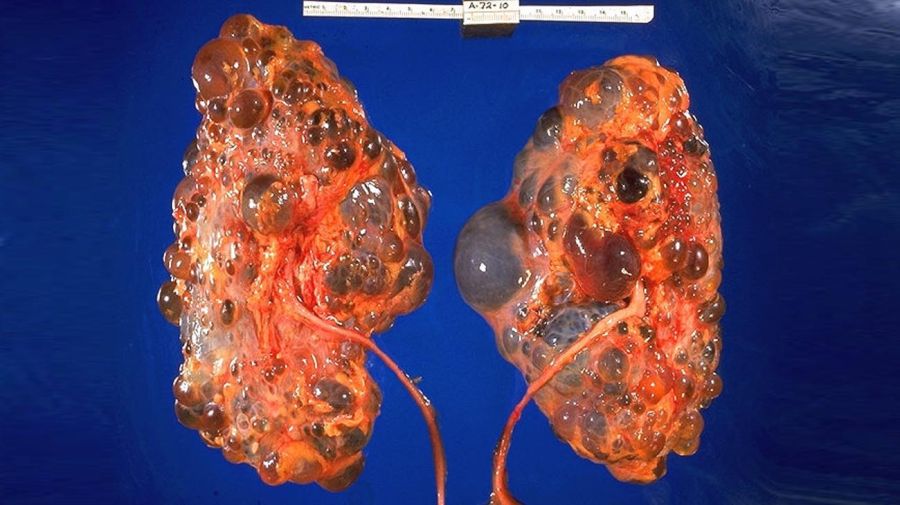
What are the symptoms of polycystic kidney disease
The disease can cause pain in the kidney area, bloody urine, high blood pressure and typical cramping pains caused by kidney stones.
Rodolfo Tailhade revealed that he is waiting for a kidney transplant: “I’m telling it because Milei’s dangerous speech appeared”
Although the disease is hereditary, to demonstrate it, ultrasound, CT scans or nuclear magnetic resonance imaging of the kidneys are done.
In these cases, currently more than half of those affected end up requiring dialysis or a kidney transplant.
Treatment of polycystic kidney disease
As there is currently no cure for this disease, the goal of treatment is to control symptoms and prevent complications. Treatment may include, depending on Medline plus:
- blood pressure medications
- Diuretics.
- Low salt diet.
- Treat urinary tract infections with antibiotics.
- The appearance of cysts and their growth can lead to painful infections, in which case they can be removed. Treatment for end-stage renal disease may include dialysis or a kidney transplant.
There are two types of polycystic kidney disease
Autosomal dominant polycystic kidney disease (EPRAD): in this, mostly, case the first signs of the disease develops in adulthood. This type is transmitted from one of the parents to their children, if one of the parents has PKR, the children have a 50% chance of contracting the disease.
Autosomal recessive polycystic kidney disease (EPRAR): it is the less common variant and its signs and symptoms They usually appear shortly after birth. In this case, both parents must have abnormal genes to pass on the disease, and the children have a 25% chance of contracting the disorder.
You may also like