
Understanding the Key Differences Between Men’s and Women’s Fashion
The fashion arena is a diverse field where creativity and cultural trends intersect, offering an extensive array of styles for every gender. While certain elements are shared across these sections, there are specific distinctions shaped by historical contexts, cultural norms, and evolving fashion trends. This exploration examines the core differences that characterize fashion for both men and women.
Historical Context and Evolution Over the Years
The evolution of fashion has been significantly shaped by gender roles throughout history. Historically, women’s fashion has been more intricate and vibrant, designed to highlight femininity and social standing. From the opulent gowns of the Victorian era to the loose dresses of the 1920s, women’s fashion has often prioritized style and appearance over practicality.
On the other hand, men’s fashion has traditionally emphasized practicality and utility. Throughout the years, men’s clothing has remained constant, focusing on durable fabrics and straightforward designs that emphasize masculinity and a professional look. A case in point is the classic three-piece suit, which emerged in the late 19th century and remains a key component in men’s wardrobes around the globe.
Composition and Shape
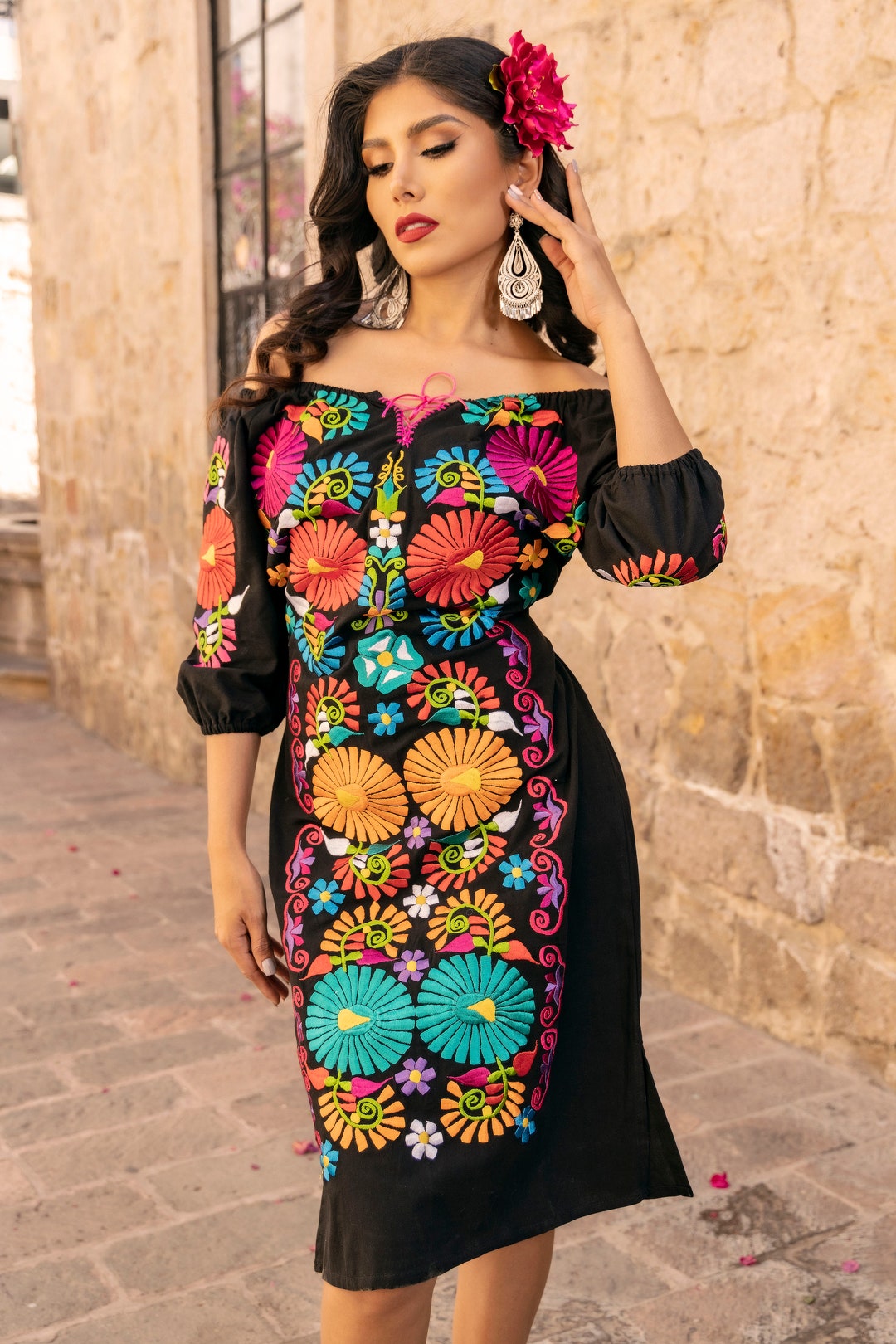
One of the most apparent differences lies in design and silhouette. Women’s fashion often experiments with diverse silhouettes, such as A-line dresses, pencil skirts, and peplum tops. These styles are tailored to accentuate various body shapes and often incorporate intricate details like ruching, pleating, and embroidery to add depth and interest.
Men’s fashion, however, emphasizes more structured and angular silhouettes, such as blazers, straight-cut trousers, and button-down shirts. The focus is frequently on creating clean lines and sharp angles that enhance a sense of sophistication and authority. Patterns and details are typically subtler in men’s fashion, favoring pinstripes or minimalistic prints.
Options of Fabrics and Surfaces
The choice of textiles is another factor that sets them apart, as clothing for women frequently features lighter, more delicate materials like silk, chiffon, and lace. These fabrics provide flexibility and flow, enriching the complex patterns typical of women’s fashion.
On the other hand, male fashion often utilizes tougher materials such as denim, tweed, and wool, selected for their strength and form. These materials mirror the practical roots of men’s clothing and address necessities like warmth, safety, and durability.
Color Scheme and Designs
Color usage also varies significantly between the two. Women’s fashion celebrates a broad spectrum of colors, from pastel shades to bold, vibrant hues. It embraces floral patterns, polka dots, and abstract prints that add personality and flair to the attire.
Conversely, men’s fashion trends often lean towards a quieter palette, typically including colors like navy, black, gray, and earthy tones. Designs are usually classic, with patterns like checks, stripes, and plaids being prevalent.
Societal Influences and Expectations
Cultural standards have a major impact on fashion trends. Women’s clothing often evolves in response to shifting societal dialogues that strive to blend allure with empowerment. Contemporary designs increasingly combine traditional femininity with modern utility, reflecting changes in gender roles and social expectations.
Male apparel trends are frequently shaped by social standards, often highlighting professionalism, leadership, and a rugged masculine image. Nonetheless, the past few years have witnessed a slow transformation, as more men opt for fashion-forward selections that enable personal expression and challenge conventional standards.
Trends in Fashion Accessories
Accessories further emphasize the distinctions in male and female fashion. Women’s accessories offer a vast selection of options like bold jewelry, purses, shawls, and caps crafted to enhance and uplift the complete appearance.
Men’s accessories are typically more restrained, frequently focusing on functional items like watches, ties, and belts. However, there is a growing trend towards more adventurous accessory choices, including bracelets and hats, reflecting a broader acceptance of diverse styles in men’s fashion.
As we explore the rich variety found in fashion, it becomes clear that despite the similarities between men’s and women’s fashion, their distinctions are deep and meaningful. These differences showcase not only personal style choices but also changes in culture and the progress of society. Fashion serves as a dynamic form of expression that consistently adjusts to the evolving context of gender, identity, and artistic values.