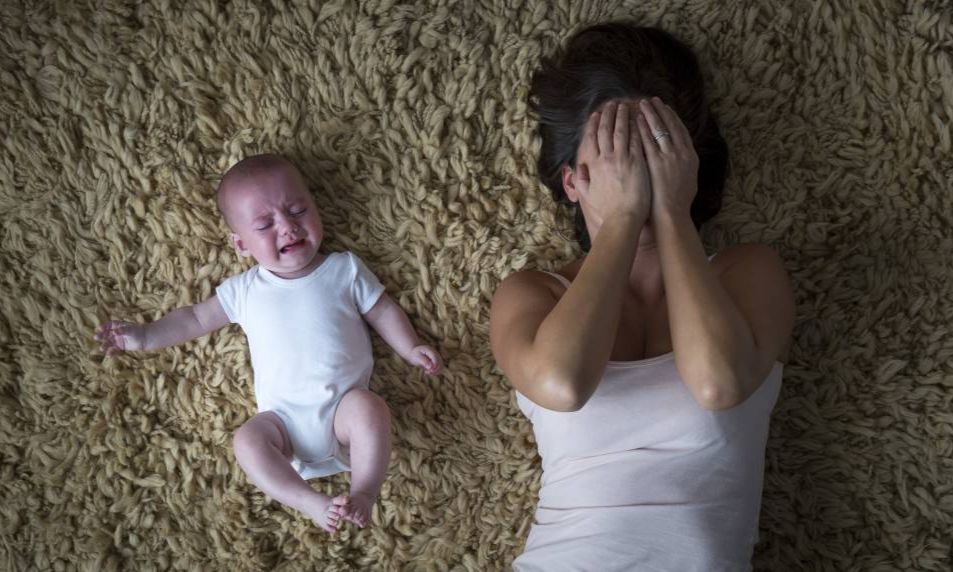

The psychologist Mariona Busto, specialist in couples and maternity therapy, clarified: The “baby blues” is a normal, healthy reaction experienced by 50 to 85 percent of women. The symptoms appear a few days after delivery, often influenced by their own hormonal changes, and usually last between one and two weeks, then they disappear without leaving any kind of sequel.”
Within the field of mental health, the so-called baby blues is characterized by the mood changes, being able to go from euphoria to crying, irritability, hypersensitivity, sadness, anxiety, poor concentration, sleep disorders in women who have undergone labor. “We should not confuse postpartum depression with the so-called “baby blues” or postpartum sadness. The difference between one thing and another lies especially in the intensity and duration of the symptoms,” Busto said.
“MY10-15% of women suffer from “postpartum blues”and many of these women do not tell anyone about what is happening to them, out of shame, because they do not know who to talk to about it, because it is not seen well socially, because those around them cannot understand it or do not care about it, or because they are not aware of it. what is happening to them”, affirmed the Spanish psychologist.

In the so-called “Postpartum depression”, the difference is that, in this type of picture, the intensity and durability significantly affect the life of the mother and make it difficult to pay attention to the baby. A characteristic of the picture is that strong feelings of guilt usually appear and the symptoms can appear even six months after childbirth.
“To meet the criteria for a Postpartum Depressive Episode, you have to meet the criteria for a Major Depressive Episode,” explained Dr. Samantha Meltzer-Brody of the university of north carolina to the newspaper The New York Times adding: “These include persistently low mood, low energy, feelings of worthlessness or guilt, suicidal thoughts, and loss of interest in things that used to be enjoyed.”
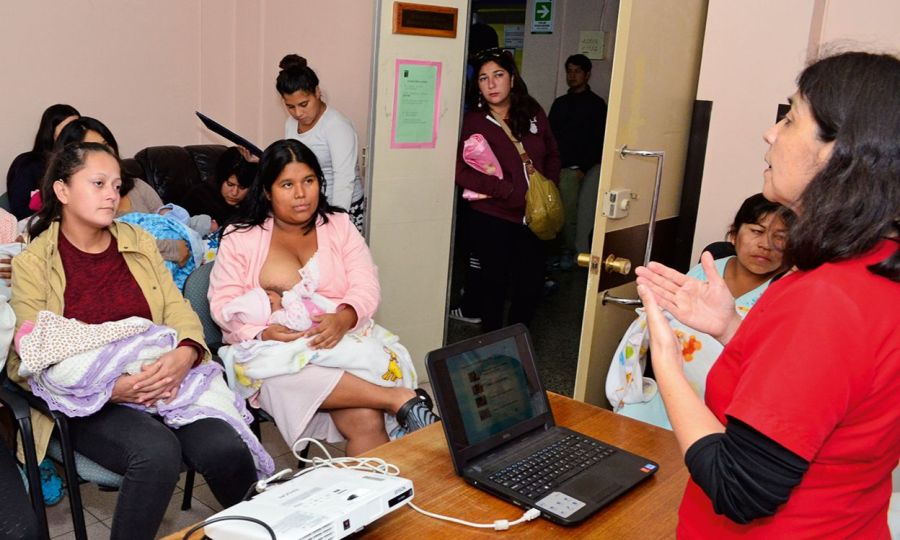
For that reason, many specialists are probably in contact with other mothers and families. In a statistic presented by antonio costello of the World Health Organization (WHO), it is established that 60 percent of women who attend therapy or family groups of people have been able to reduce postpartum depression. The most prominent benefits are better self-esteem and confidence, lower stress levels, and a positive attitude.
“Group therapy is often recommended for new mothers who are struggling and can be one of the most effective interventions,” recommends paige bellenbaumclinical social worker and founding director of The Maternity Center. This New York clinical center offers intensive outpatient care for women with postpartum depression. “The support they give each other. It helps them feel much less alone on this very difficult journey,” she said. bellenbaum.
In the United States, there is, in its test facet, the first specific drug for postpartum depression. “Treatment with this drug, called brexanolone, causes a significant reduction in depression by approximately 70 percent of women who take it”, according to Meltzer-Brody, who led the clinical trials at UNC, adding: “Most remarkably, it works within 24 hours, compared to the weeks or months it takes to gain benefit from the therapy setting.”
However, the application of this drug is not yet complete and, therefore, the most effective aspect, for professionals, is group therapy. “These groups offer a space for emotional accompaniment, listening, sharing experiences, feelings and impressions, very useful and highly recommended,” concluded the psychologist Busto in the report on the Spanish portal La Vanguardia.
by RN
image gallery