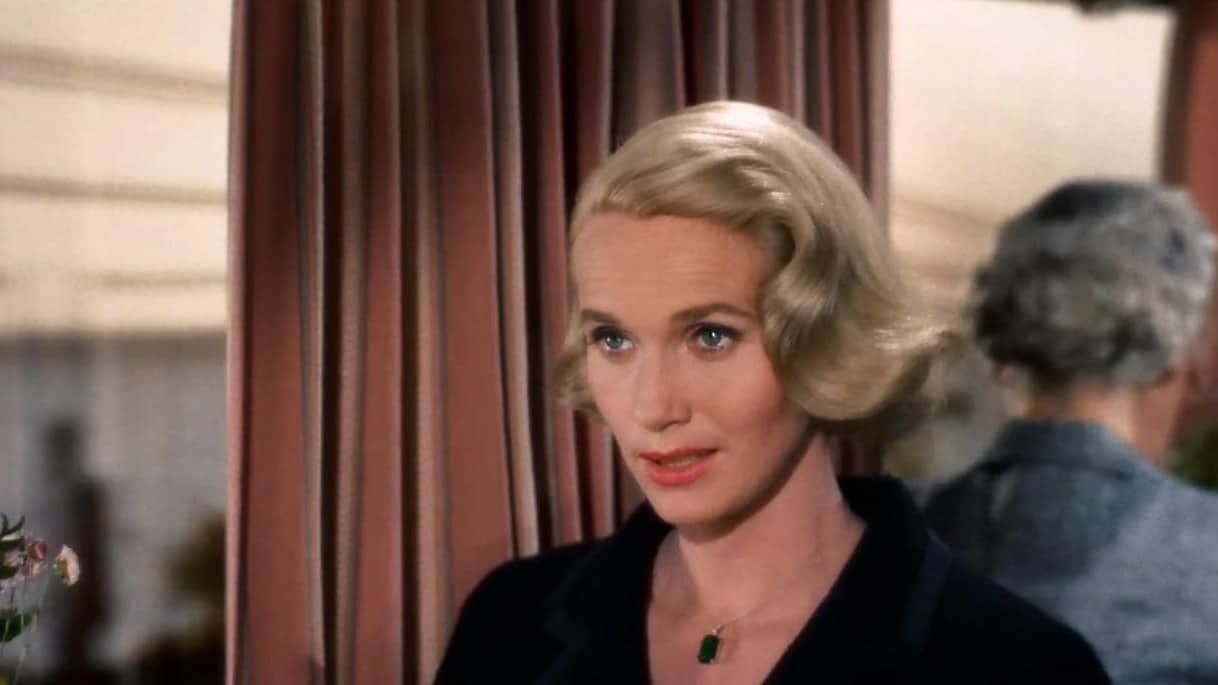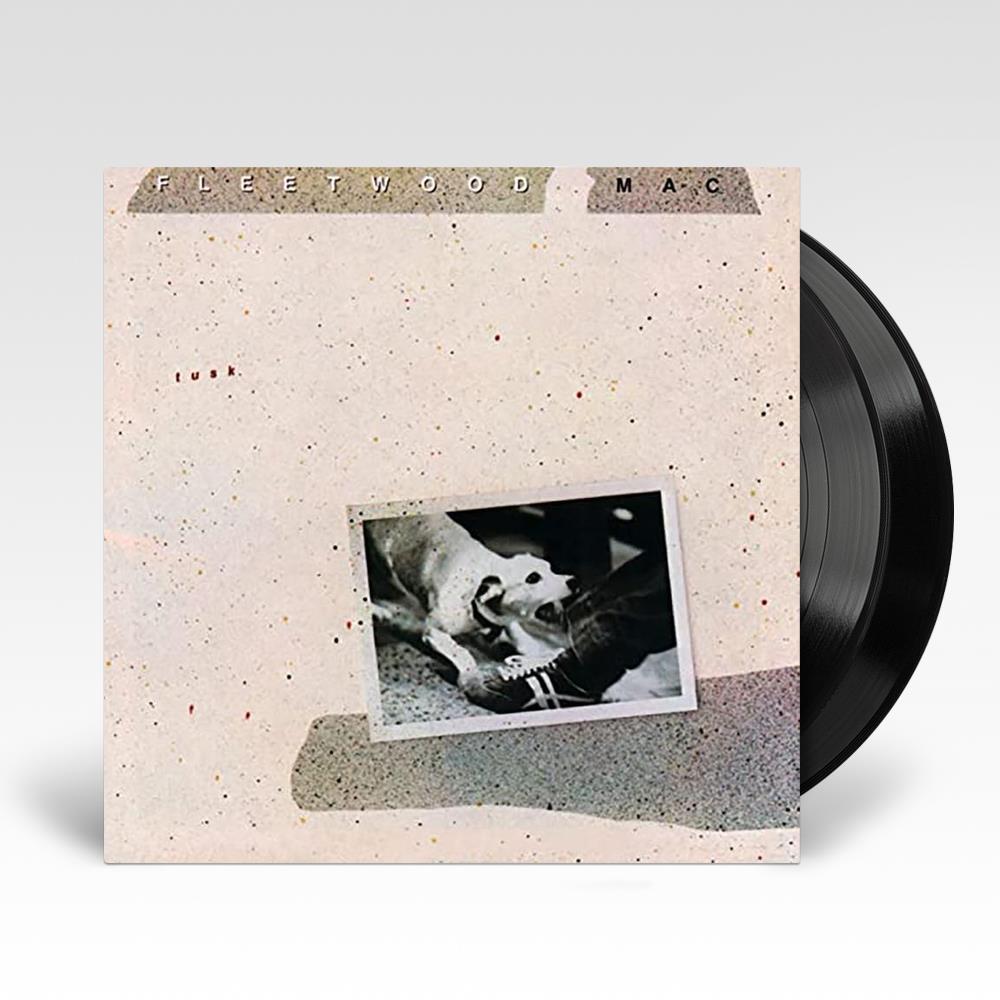

In the ever-evolving world of fashion, creativity and innovation are at the heart of successful design. One essential tool aiding designers in channeling their creative visions is the moodboard. A moodboard serves not just as a visual representation, but as an emotional guide and inspirational blueprint for fashion designers. It encapsulates the aesthetic direction, tone, and feel of a collection or a specific garment, synthesizing various elements into a coherent vision.
Crafting a Moodboard: The Craft of Curating
At its core, a moodboard serves as a curated mix of visuals, materials, hues, and written elements that conveys the spirit of a fashion collection. Crafting a moodboard is an intensely personal and interpretive process, shaped by the designer’s intuition and artistic eye. Designers usually begin by assembling a wide assortment of sources, including photos, drawings, fabric samples, magazine cutouts, and digital visuals. These components are then selected and arranged according to the theme, narrative, or concept the designer aims to develop.
For instance, a designer inspired by the roaring twenties may include elements like vintage photographs, art deco patterns, and flapper dresses. On the other hand, a futuristic theme might feature metallic textures, digital art, and avant-garde silhouettes. By combining these elements, the moodboard serves as a tangible reference point which guides the design process and keeps the creative direction focused.
The Importance of Moodboards in Fostering Effective Collaboration and Clear Communication
Moodboards are not only a personal tool but also a critical component in collaborative and communicative aspects of fashion design. For fashion brands, moodboards can serve as a foundational document during meetings with team members, including clothing designers, textile experts, and marketing professionals. They ensure that everyone involved shares a common understanding of the creative objectives and aesthetic goals.
In addition, moodboards serve as a vital link between the designer’s inner concept and the client’s anticipated outcome, clarifying intentions that might otherwise remain abstract. For example, when unveiling a new collection to prospective buyers or stakeholders, a moodboard can communicate the desired atmosphere and style far more vividly than spoken descriptions. This visual storyline supports gaining approval and achieving harmony with client expectations.
Case Studies: Moodboards in Action
Many leading fashion designers and brands rely on moodboards to uphold their distinct creative identities, and Chanel, for instance, frequently employs them to shape collections that feel enduring while remaining aligned with modern fashion currents; by blending various fabric samples, signature motifs, and quotations from Coco Chanel herself, these moodboards safeguard the brand’s luxurious legacy even as they inspire fresh, contemporary interpretations.
Similarly, emerging designers use moodboards as experimental spaces to test and develop their style. A young designer might explore the juxtaposition of streetwear and high fashion through moodboards that combine gritty urban photography with high-end fabric samples. Such practice not only hones their aesthetic tastes but also communicates their creative intent to potential investors and collaborators.
The Changing World of Moodboards
With advancements in technology, digital moodboards have risen in popularity, allowing designers greater flexibility and versatility. Platforms like Pinterest, Canva, and Milanote offer diverse tools to create interactive and shareable moodboards. These platforms also provide a wealth of inspiration, connecting designers globally and fostering a community of creative exchange. Digital moodboards can be easily revised and distributed, adapting to the fast-paced nature of the fashion industry.
The Enduring Significance of Moodboards
In the fast‑evolving world of fashion design, the moodboard stands as an essential resource that transforms abstract ideas into a tangible reference. It conveys the emotional core of a project, enabling designers to investigate, experiment, and interact through diverse mediums. Serving as both a creative catalyst and a communication device, the moodboard remains central to the design workflow, influencing the fashion stories that define the present and shape the future.