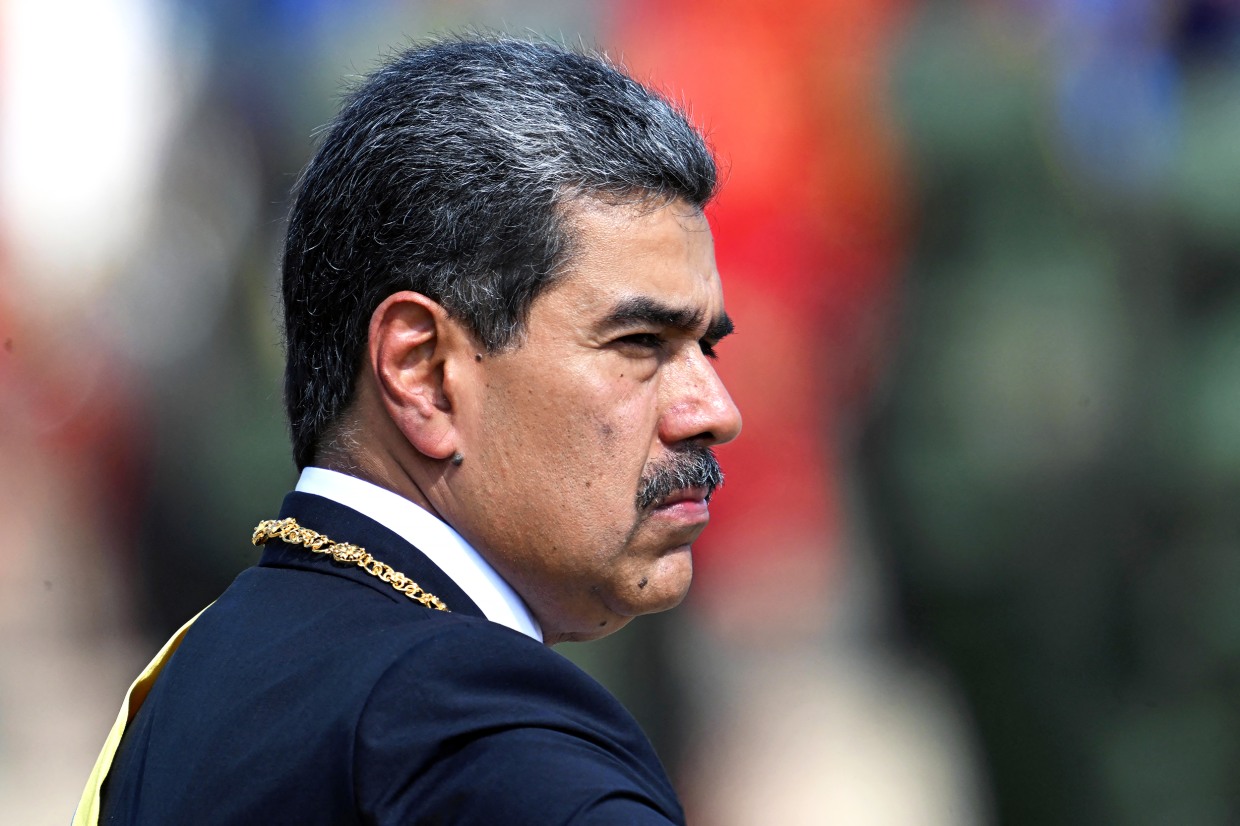
The government of the United States has significantly increased the bounty for information leading to the capture of Venezuela’s leader, Nicolás Maduro, elevating the total offer to $50 million. This notable increase in the persistent campaign to bring the South American president to justice on drug trafficking allegations indicates a tougher stance by Washington toward the Venezuelan administration.
The heightened reward follows years of U.S. inquiries accusing Maduro of participating in drug trafficking activities. American prosecutors assert that the Venezuelan leader collaborated with Colombian insurgent groups and local crime syndicates to move large shipments of cocaine to markets in North America. Judicial records suggest these actions persisted even as Venezuela confronted serious economic hardships, implying that drug smuggling turned into a significant income source for specific governmental groups.
Legal authorities emphasize the unique situation of such a well-known reward targeting an incumbent head of state. Although the U.S. has previously provided incentives for information regarding international figures, the size and public nature of this proclamation signify a major increase in diplomatic tension. This action comes after a long period of worsening ties between Washington and Caracas, which includes extensive economic sanctions and the recognition of opposition leader Juan Guaidó as the rightful president of Venezuela in 2019.
The Venezuelan government has dismissed the charges as politically motivated fabrications, characterizing them as another attempt at regime change by Washington. Maduro’s administration points to Venezuela’s cooperation with United Nations anti-drug programs and questions the timing of the announcement, which coincides with renewed opposition protests and economic difficulties in the country.
Regional analysts suggest the increased bounty reflects frustration with failed diplomatic efforts to remove Maduro from power. Previous strategies including sanctions, support for opposition figures, and international isolation have not achieved their stated objectives. With Maduro maintaining control of Venezuela’s military and security apparatus, the practical likelihood of his arrest and extradition appears remote under current circumstances.
The proposition of a reward introduces intricate issues regarding global law and diplomatic standards. Even though the United States asserts its authority to prosecute foreign individuals for offenses impacting its interests, experts in law discuss the consequences of pursuing current world leaders. Certain individuals caution that such measures might set troubling precedents in global relations, whereas others contend they are suitable reactions to unlawful actions, irrespective of official rank.
Venezuela is facing a worsening economic situation, as millions of its citizens leave the country due to uncontrollable inflation and a lack of essential goods. Despite having the largest known reserves of oil globally, the nation contends with ongoing fuel scarcities caused by deteriorating infrastructure and sanctions from the U.S. This environment has given rise to illegal activities, with indications of a rise in drug manufacturing and gold trafficking activities in recent times.
The strategy adopted by the Trump administration towards Venezuela has focused on exerting maximum pressure with sanctions and diplomatic isolation. Critics contend that this method has exacerbated humanitarian issues without bringing about political transformation, while advocates assert that it is the sole feasible approach against an authoritarian government. The raised bounty indicates a continuation of this uncompromising position rather than any move towards dialogue or negotiation.
For the average Venezuelan, the declaration probably doesn’t significantly alter their everyday challenges. As the political deadlock reaches its sixth year, the majority of people are primarily concerned with enduring the economic breakdown rather than far-off geopolitical tactics. The opposition is still fragmented, with certain groups endorsing U.S. measures while others caution that these could unintentionally bolster Maduro’s nationalistic discourse.
As Venezuela’s crisis continues with no clear resolution in sight, the $50 million bounty represents both a dramatic escalation and a recognition of previous policy limitations. Whether this new approach will prove more effective than past efforts remains uncertain, but it undoubtedly raises the stakes in Washington’s confrontation with Caracas.
The coming months may reveal whether this bold move generates meaningful information, further isolates the Venezuelan government, or simply becomes another symbolic gesture in a protracted geopolitical standoff. What seems certain is that the already fraught relationship between the United States and Venezuela has entered an even more confrontational phase with this unprecedented offer.