
Comprehending ‘Vintage’ within the Realm of Fashion
The term ‘vintage’ often conjures images of classic and timeless styles, a nod to fashion periods past. Understanding what ‘vintage’ means in the context of fashion requires an exploration into the history, cultural significance, and contemporary reinterpretations that define this enduring term.
Historical Context of Vintage Fashion
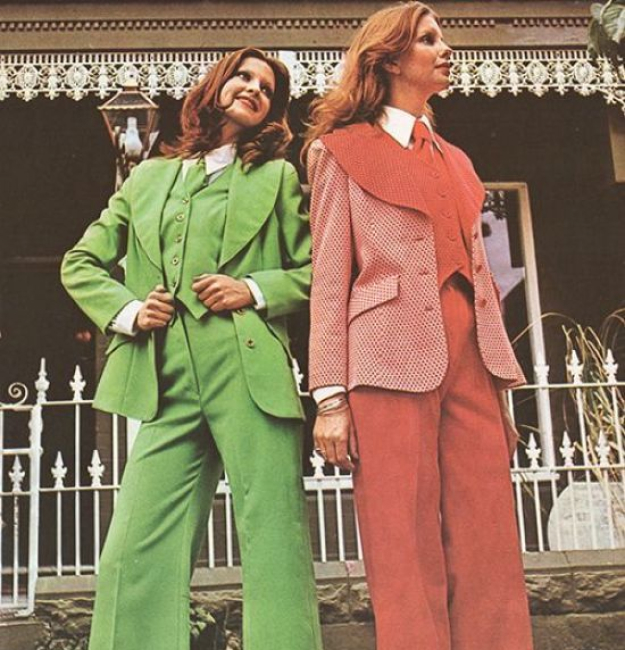
In fashion, ‘vintage’ generally refers to pieces that are at least 20 years old. This distinguishes them from ‘antique’ items, which are typically considered to be over 100 years old. The 1990s, 1980s, 1970s, and even earlier decades are frequent sources for vintage garments. These clothes are emblematic of the styles and trends prevalent during specific eras. For instance, the 1920s are celebrated for flapper dresses, characterized by their loose fit and intricate beadwork, while the 1970s brought wide leg trousers and bohemian prints to the forefront.
Historical Impact of Classic Fashion
In recent times, vintage fashion has resurged in popularity due to various factors. To begin with, there is an appeal and distinctiveness in possessing and donning an item that narrates its own tale. Every vintage piece carries its own background and personality, something not found in mass-produced apparel. Additionally, vintage fashion is frequently linked to ecological responsibility. Increasing awareness about the environmental consequences of fast fashion has driven many people to choose vintage as a sustainable option, helping to cut down on the need for new clothing production and lessening fabric waste.
Celebrities and influencers have also played a significant role in this resurgence. Prominent figures like Kate Moss and Dita Von Teese have been seen showcasing vintage outfits, which fosters widespread interest and acceptance of retro styles within modern wardrobes.
Contemporary Reinterpretations and Design Inspiration
Designers often draw inspiration from vintage trends to create modern collections that echo past aesthetics while catering to contemporary tastes. It’s not uncommon to see runways filled with reinterpretations of 1950s silhouettes or 1980s bold color palettes. This approach allows designers to marry the nostalgia of vintage with the innovation and technological advancements of the present day.
Retailers take advantage of this movement by assembling collections that mimic classic styles using contemporary materials and manufacturing methods. These updated items aren’t true vintage but provide consumers an opportunity to appreciate vintage looks without the difficulties linked to preserving older clothing.
The Challenge of Defining ‘Vintage’ in Fashion
The term ‘vintage’ is subjective and can be interpreted differently depending on individual perspectives and cultural backgrounds. For some, truly vintage items need historical provenance or designer labels, while for others, any second-hand garment that captures the essence of a previous era can qualify.
This lack of clarity is also present in the market, where sellers and buyers have to deal with phrases such as ‘retro,’ ‘vintage-inspired,’ and ‘reproduction.’ As a result, having a solid grasp of what someone is looking for in vintage fashion is important for both collectors and casual fans.
Reflective Synthesis on the Role of Vintage in Fashion Today
The allure of vintage fashion lies in its ability to transcend time, offering windows into the style narratives of past decades. As interest continues to grow, it challenges us to consider how we define fashion, value sustainability, and appreciate the craftsmanship of eras gone by. The appreciation of vintage fashion reinforces the cyclical nature of trends, encouraging a unique blend of retrospective admiration and forward-thinking innovation. As such, vintage fashion remains an integral part of the sartorial landscape, bridging the past with the present while inspiring the future.