
The Lasting Strength of Opera on the Global Stage
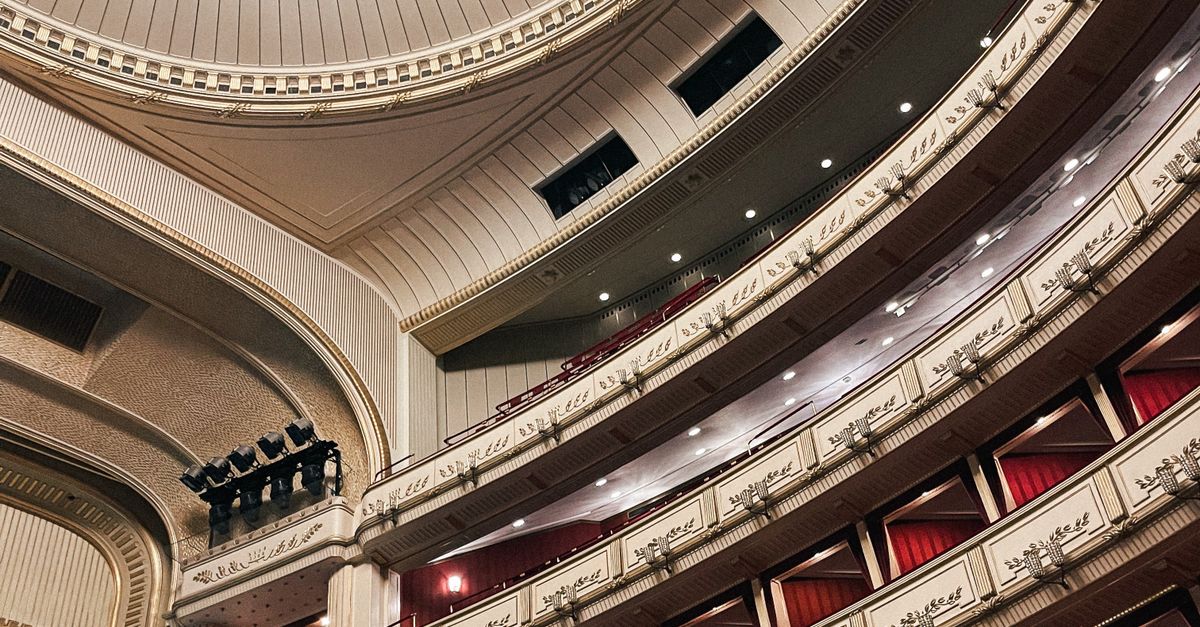
Opera has been a central pillar of global performing arts for more than four centuries. While thousands of operas have been written, only a select group has achieved extraordinary longevity in performance. These works appear season after season in major houses such as the Metropolitan Opera in New York, the Royal Opera House in London, and La Scala in Milan, as well as in regional theaters and touring productions worldwide. Their continued dominance reflects a combination of unforgettable music, dramatic storytelling, vocal showcase opportunities, and cultural resonance.
Below are eight operas widely recognized among the most performed in the history of the genre, based on long-term repertory statistics from leading opera companies and international performance databases.
1. The Magic Flute
Composed by Wolfgang Amadeus Mozart, The Magic Flute remains among the globally most frequently performed operas. Its charm stems from a unique mix of fantasy, humor, and moral symbolism. The piece pairs approachable tunes with brilliant vocal displays, especially seen in the formidable arias sung by the Queen of the Night.
Its whimsical framework makes it appropriate for a wide range of audiences, even younger viewers, thereby enhancing its scheduling versatility. Adaptations span from classic fairy-tale productions to contemporary metaphorical readings, highlighting its adaptability and timeless significance.
2. The Marriage of Figaro
Another masterpiece by Mozart, The Marriage of Figaro is a cornerstone of the operatic repertoire. The opera’s intricate ensemble writing and dynamic pacing revolutionized comic opera. Its exploration of class, power, and human relationships continues to resonate in modern society.
Prominent opera houses frequently schedule it due to its provision of robust roles for several lead vocalists and its display of polished orchestral craftsmanship. Its equilibrium between comedy and poignant resonance guarantees steady public enthusiasm.
3. The Barber of Seville
Composed by Gioachino Rossini, The Barber of Seville is celebrated for its sparkling overture and rapid-fire vocal passages. It represents the pinnacle of comic opera in the early nineteenth century.
Its widespread appeal arises from a brisk tempo, unforgettable tunes, and a sense of comedic timing that resonates globally. The pivotal part of Figaro, highlighted by his captivating entrance aria, continues to be cherished by both baritones and spectators.
4. The Fallen Woman
Among the most widely staged operatic tragedies is Giuseppe Verdi’s The Fallen Woman. Audiences are continually moved by the tale of a courtesan who seeks redemption through love.
Sweeping melodies and psychologically astute character arcs elevate the emotional depth of the opera. Because the title part encompasses everything from tender lyrical passages to dramatic peaks, sopranos highly value it for its technical and theatrical challenges. Its enduring resonance stems from themes centered on devotion, sacrifice, and the pressures of convention.
5. Carmen
Georges Bizet’s Carmen consistently ranks at or near the top of global performance statistics. Its vivid orchestration and instantly recognizable melodies contribute to its broad appeal.
Set against themes of passion, freedom, and fate, the opera blends dramatic realism with rhythmic vitality. The title role is one of the most sought-after mezzo-soprano parts in the repertoire. Its accessibility and dramatic intensity make it a reliable box office success for opera companies worldwide.
6. Aida
Another masterpiece by Verdi, Aida stands out for its magnificent scale. Showcasing colossal choral movements, triumphant processions, and tender duets, it seamlessly blends breathtaking spectacle with deep personal drama.
Opera houses frequently stage it because it showcases both large ensembles and principal singers. Its exotic setting and visual splendor make it particularly attractive for large venues and international festivals.
7. Tosca
Composed by Giacomo Puccini, Tosca is a compact yet emotionally explosive drama. Its tightly structured narrative unfolds over a single day, heightening tension and theatrical impact.
The opera is celebrated for its soaring arias and intense orchestration. Leading roles require exceptional vocal stamina and dramatic commitment, making it a favorite vehicle for star performers. Its combination of romance, political intrigue, and tragedy ensures steady audience interest.
8. La Boheme
Puccini’s La Boheme remains one of the most beloved operas ever written. Its portrayal of young artists struggling with love and poverty resonates across generations.
The music flows seamlessly between intimate moments and expansive emotional climaxes. Opera companies frequently include it in their seasons because it appeals to both seasoned opera-goers and newcomers. The final act, in particular, is widely regarded as one of the most moving scenes in the operatic canon.
Why These Operas Dominate Performance Statistics
Several shared characteristics explain why these works consistently top performance rankings:
- Memorable melodies: Each opera contains arias and ensembles that remain culturally recognizable.
- Strong dramatic structure: Clear storytelling enhances accessibility.
- Vocal showcase roles: Singers are drawn to parts that highlight technical mastery and emotional range.
- Flexible staging possibilities: Directors can reinterpret themes for modern audiences.
- Proven audience demand: Reliable ticket sales encourage repeat programming.
Performance data from major opera institutions over decades consistently show these titles appearing hundreds, sometimes thousands, of times. For example, companies such as the Metropolitan Opera have presented several of these works more than one thousand times each since their founding, underscoring their institutional importance.
Cultural and Economic Impact
These operas do more than fill seats. They influence film, advertising, popular music, and educational curricula. Familiar arias appear in commercials, sporting events, and cinema soundtracks, expanding their reach beyond traditional opera audiences.
From an economic standpoint, famous operas offer financial security to lyric companies. The income produced by classic masterworks frequently funds more recent or obscure pieces, assisting in the preservation of artistic variety across the discipline.
A Living Canon
The continued prominence of these eight operas reflects more than tradition. Each work speaks to universal human experiences: love and loss, ambition and sacrifice, freedom and fate. Their music captures emotional extremes while remaining accessible to wide audiences.
As opera companies balance innovation with heritage, these masterpieces serve as anchors of the repertoire. They connect generations of performers and listeners, demonstrating that while staging styles evolve and cultural contexts shift, the emotional power of great opera remains undiminished.