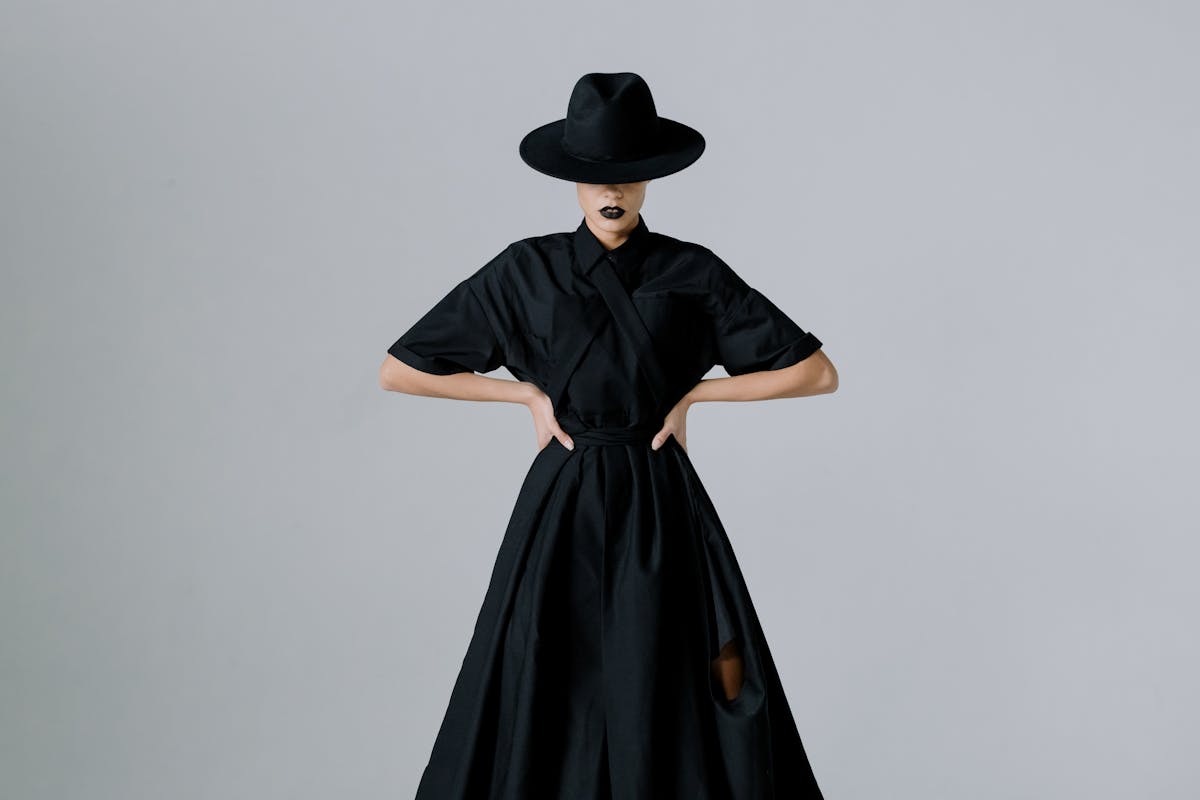
Tailoring is the art and craft of designing, cutting, fitting, and finishing garments, particularly suits and coats. A bespoke tailored garment is created specifically to fit the exact specifications and measurements of an individual client. The term ‘tailor’ has its origins in the Latin word “taliare,” meaning “to cut,” which is a fitting description of the meticulous craft that has been refined through centuries.
The Craft of Tailoring
Tailoring involves a series of complex processes that require precision, expertise, and an eye for detail. It begins with the selection of fabric, which is a crucial element in the overall quality and appearance of the garment. The choice can range from wool, cotton, linen to more luxurious materials like silk and cashmere.
Sizing and Pattern Creation
One of the core elements of tailoring involves taking precise measurements. A proficient tailor carefully records detailed dimensions of key body areas such as the neck, chest, waist, arms, and legs. These measurements are later applied to draft a paper pattern that acts as the garment’s blueprint. Each pattern is individually adjusted for every client to guarantee an ideal fit.
Crafting and Building
Once the fabric is chosen and measurements taken, the tailor cuts the fabric according to the pattern. This is followed by the construction phase, where the garment begins to take shape. During this phase, various techniques such as basting and interlining are used to give the garment its structure and drape. The tailor uses a combination of hand and machine sewing to craft each piece meticulously.
The Significance of Proper Fitting
A key element of tailoring is the fitting process, which requires trying on the garment at different stages of its creation so the tailor can introduce essential adjustments for an ideal fit; several sessions may be needed before the piece is finished, as subtle changes are made to suit the client’s distinctive body shape and posture.
Tailoring vs. Ready-to-Wear
In the modern fashion industry, tailoring faces competition from mass-produced, ready-to-wear garments. Ready-to-wear garments are manufactured in standard sizes, which means they do not account for the individual differences in body shape and size. Although more affordable and convenient, these garments often lack the fit and personalization that tailored garments provide. Tailoring offers a level of customization and individual attention that is unmatched, making it a preferred choice for those seeking high-quality, perfectly fitted clothing.
How Tailored Clothing Shapes Contemporary Style
Today, tailoring is not just about formal suits and coats. The principles of tailoring have been adapted to various types of modern clothing, including women’s wear, casual wear, and even street fashion. Renowned fashion designers integrate tailoring techniques into their collections, underscoring the timeless nature of this craft. Tailors also play a significant role in sustainable fashion by repairing and altering garments to extend their lifespan, reducing waste, and promoting a more eco-friendly approach to clothing consumption.
Tailoring represents a refined craft that blends time-honored techniques with contemporary innovation, producing not only flawlessly fitting garments but also a deep sense of confidence for those who wear them, while the dedication and enthusiasm of tailors safeguard this enduring tradition and ensure its continued relevance and appreciation in modern fashion.