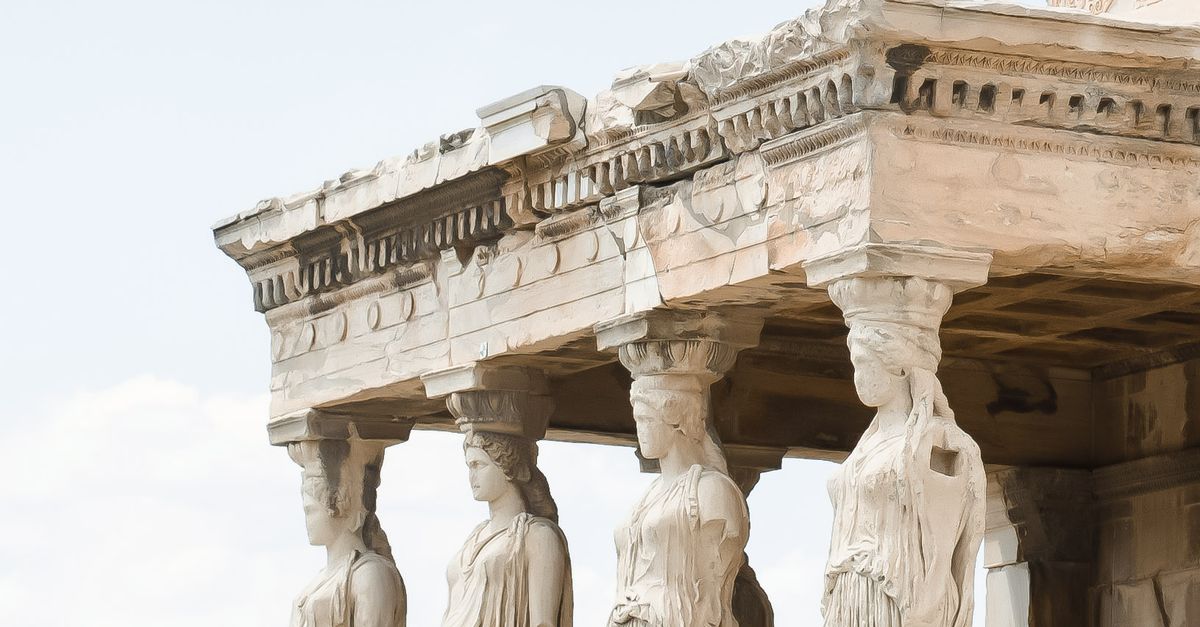

Greece’s islands combine exceptional cultural and natural heritage with acute economic vulnerability. Roughly 200–250 islands are permanently inhabited, hosting historic towns, archaeological sites, vernacular architecture, and living traditions that are central to local identity and national tourism appeal. At the same time, islands face demographic decline, seasonal employment, limited public budgets, and climate-related risks. Corporate social responsibility (CSR) can play a vital role in heritage recovery and in strengthening the social economy that sustains island communities year-round.
Why CSR matters for heritage recovery and the social economy
- Funding gap. With public budgets for restoration and upkeep often stretched thin, CSR initiatives can inject focused financing that supports both immediate repairs and the preservation of heritage over time.
- Capacity building. Companies may sponsor training programs—covering conservation crafts, digital competencies, hospitality, and marketing—to help transform cultural assets into stable, long-term sources of income.
- Market access and branding. Private collaborators can extend distribution networks for island-made goods and refine cultural experience offerings to draw visitors who deliver greater value while minimizing environmental impact.
- Innovation and risk sharing. CSR can back experimental efforts in areas such as energy transition, circular practices, and social procurement, especially when public institutions face constraints in funding them promptly.
- Stakeholder leverage. Corporations are able to bring together government agencies, donors, NGOs, and local groups to synchronize large-scale initiatives.
What CSR can support: interventions and mechanisms
- Built heritage restoration. Funding material conservation of monuments, churches, windmills, vernacular houses, and port infrastructure through grants, matched funds, or sponsorships.
- Intangible heritage and cultural programming. Backing festivals, apprenticeships in crafts, music, and culinary traditions that keep knowledge alive and extend the tourism season.
- Social enterprise incubation. Grants, technical assistance, and procurement preferences for cooperatives, artisans, and community-owned ventures (food processing, small museums, guided-tour enterprises).
- Digitalization and interpretation. Financing digital archives, virtual tours, and heritage apps that increase visitor understanding and enable remote access to island culture.
- Sustainable tourism and product development. Supporting training in hospitality quality, certification schemes, and branding for island-specific products (olive oil, mastic, honey, ceramics).
- Green infrastructure and resilience. Investing in renewable energy, water management, and climate-proofing of heritage sites to reduce long-term maintenance costs.
- Blended finance and impact investment. Combining CSR grants with social impact bonds or concessionary loans to scale social enterprises and infrastructure projects.
Notable cases and illustrative examples
- Chios mastic and cooperative resilience. The mastic-producing villages of Chios exemplify how a robust cooperative network can sustain cultivation, guide product innovation, and highlight cultural identity. Numerous private commercial and philanthropic partners have contributed to promotion, quality assurance, and visitor-centered initiatives that remain closely tied to this protected local heritage.
- Tilos: community energy for island sustainability. The TILOS renewable energy pilot, backed by EU research funds and both public and private collaborators, showed how smart microgrids, integrated storage systems, and community governance can curb fossil-fuel reliance while generating local employment. This approach illustrates how CSR efforts can merge climate-resilient practices that protect heritage with social-economy gains.
- Foundations and bank cultural programs. Leading Greek philanthropic and corporate foundations have financed island restoration efforts, museum initiatives, and cultural festivals, frequently aligning these contributions with EU and national funding. Such public-private cooperation demonstrates how CSR support can spark broader conservation initiatives and strengthen culture-oriented local economies.
- Local cooperatives and product branding. Throughout the islands, producers of olive oil, honey, ceramics, and fisheries increasingly operate as cooperatives or social enterprises. Corporate purchasers and tourism companies that source through these groups help keep more value within the community while also sustaining traditional production methods linked to local heritage.
- Sustainable tourism operators. Tour operators and ferry companies investing in off-season cultural programming, heritage preservation sponsorships, or socially responsible procurement have mitigated seasonal fluctuations and contributed to more stable, year-round employment across smaller islands.
Social economy models that work on islands
- Worker and producer cooperatives. Collective ownership structures in farming, fishing, artisanal trades, and hospitality broaden how profits are shared and help preserve long-standing local traditions.
- Community-owned tourism and museums. Locally managed museums, heritage-guided excursions, and cultural hubs operating as social ventures ensure revenue remains within the community.
- Social franchising and networks. Expanding proven island-based social enterprise models throughout wider archipelagos reduces initial investment needs and strengthens market negotiating capacity.
- Multi-stakeholder partnerships. Collaborations involving municipalities, private firms, NGOs, and universities provide technical restoration expertise while safeguarding community oversight of results.
Measuring impact: metrics and indicators
Companies and partners should monitor a concise set of clear indicators that connect heritage restoration with social impact:
- Capital allocated to preservation and restoration efforts, organized by project and year.
- Total heritage sites restored and their operational status, whether functioning as a museum, community center, or place of worship.
- Positions generated or maintained, including the rate at which seasonal roles transition to year-round employment.
- Growth in revenue for local businesses and expansion of market access, including sales and export data for island-made products.
- Patterns in off-season occupancy along with participation levels at local events.
- Local talent trained and retained through apprenticeships and professional certifications.
- Relevant environmental metrics, such as renewable energy output or decreases in diesel usage.
Practical recommendations for stakeholders
- For corporations: Align CSR with local priorities through participatory needs assessments; prefer long-term multi-year support over one-off donations; use procurement to source island products and services; leverage brand and distribution channels to amplify impact.
- For foundations and investors: Use blended finance to de-risk social enterprises; support capacity building in governance and business skills; fund pilot projects with clear scaling pathways.
- For local authorities and communities: Establish transparent criteria for selecting projects; build co-management agreements to ensure maintenance after restoration; use social clauses in municipal procurement to favor local enterprises.
- For NGOs and heritage professionals: Document and monitor interventions; translate conservation outcomes into social and economic language that corporate partners understand; develop bankable project proposals.
Risks, safeguards, and equitable approaches
CSR must avoid unintended harms such as cultural commodification, gentrification, or capture of benefits by outside investors. Safeguards include:
- Community consent and meaningful participation in decision-making.
- Equitable benefit-sharing mechanisms that prioritize local employment and ownership.
- Conservation standards and independent heritage oversight to prevent inappropriate interventions.
- Transparency in financing and clear exit or maintenance plans for sponsored assets.
Scaling impact: how to move from pilots to systemic change
Strategic scaling uses three mutually reinforcing levers:
- Replication networks. Create platforms to replicate successful social enterprise and heritage recovery models across islands.
- Public policy alignment. Advocate for tax incentives, social procurement rules, and heritage maintenance funds that multiply CSR contributions.
- Market linkage. Connect island producers and cultural services to national and international value chains through corporate partnerships and digital marketplaces.
CSR that deliberately connects heritage restoration with social‑economy growth creates a route for Greek islands to safeguard their identity while fostering sustainable livelihoods, and when private investment, philanthropic initiative, community leadership, and public policy align—anchored in clear metrics and fair governance—the revitalization of monuments, cultural practices, and local markets strengthens itself: rejuvenated landmarks draw broader audiences, skilled craftspeople and social enterprises retain value within the community, and climate‑resilient investments reinforce long‑term stability