
A notable political shift is occurring across Europe, as populist parties on the right of the political spectrum are gaining unprecedented traction. Recent polling data indicates that these movements have, for the first time, surged to the top of national popularity rankings in Germany, France, and Britain. This marks a significant moment in modern European politics, challenging the dominance of traditional, mainstream parties and signaling a new era of political fragmentation and realignment. The ascendancy of these parties is a complex phenomenon driven by a variety of interconnected factors, from economic dissatisfaction to cultural anxieties.
In Germany, the far-right Alternative for Germany (AfD) has recently surpassed mainstream conservative parties to become the most popular party in a new poll. This outcome is particularly striking given Germany’s historical sensitivity to far-right ideologies. The AfD, which began as an anti-Euro party, has evolved into a populist movement with a hardline stance on immigration and a deep skepticism of the European Union. Its rise is seen as a direct challenge to the country’s post-war political consensus.
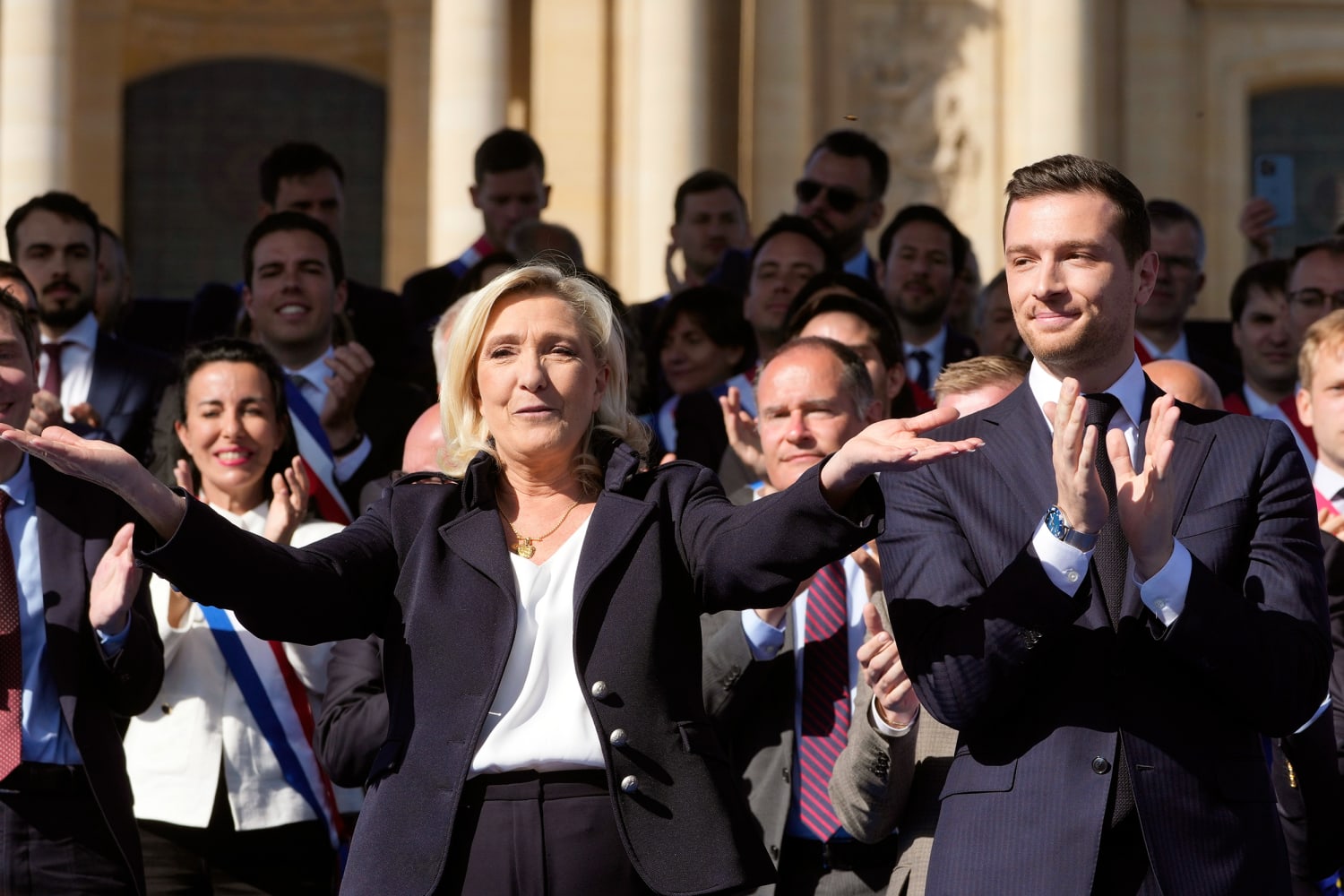
The situation in France is equally dramatic. The far-right National Rally (Rassemblement National) has held a clear lead in national polls for some time. This party, under its new leadership, has worked to normalize its image and broaden its appeal beyond its traditional base. Their success is attributed to a potent mix of anti-immigration rhetoric, opposition to European integration, and a focus on cost-of-living issues. The party’s dominance has profoundly influenced the political conversation and strategies of other parties.
On the other side of the English Channel, the political scene in Britain is experiencing significant change. A right-wing populist group, Reform UK, has been leading national surveys, surpassing the traditional Conservative and Labour parties. This rise is driven by extensive public dissatisfaction with the existing government, a wish for tougher immigration policies, and a common perception that mainstream politicians are disconnected from the worries of ordinary citizens. Reform UK’s progress has created a stir within the British political scene.
The collective success of these parties across three of Europe’s most influential nations is not a series of isolated events. It is a symptom of a broader trend of dissatisfaction with the status quo. Voters are increasingly feeling left behind by globalization and are questioning the benefits of multiculturalism and open borders. The economic policies of centrist governments, often perceived as failing to address the struggles of the working class, have also contributed to this political shift.
Many of these parties have successfully positioned themselves as the voice of the “common people” against a “corrupt elite.” They use populist rhetoric to create a clear division between a supposedly pure national identity and a cosmopolitan establishment that they claim is beholden to international interests. This narrative, disseminated effectively through social media and alternative news channels, resonates with voters who feel alienated and unheard by traditional political institutions.
The political implications of this populist wave are extensive. In Germany, the ascent of the AfD complicates the ability of established parties to create stable governing alliances, resulting in a more divided and uncertain political environment. In France, the National Rally’s increasing support might cause considerable political disruption in upcoming elections, possibly changing the nation’s approach to internal and European matters. In Britain, the emergence of Reform UK poses a threat to the traditional two-party system, possibly changing it forever.
This occurrence also carries considerable consequences for the European Union. In these important countries, populist groups frequently hold a Eurosceptic or openly anti-EU position, questioning the core principles of the European initiative. Their achievements might strengthen comparable movements in other member nations and result in a more introspective, protectionist Europe. This could deeply influence various aspects ranging from trade arrangements and immigration regulations to the continent’s unified handling of global challenges.
The surge of far-right populism is a wake-up call for Europe’s mainstream parties. It demonstrates that a large segment of the electorate feels that their concerns on issues like immigration, national identity, and economic security are not being adequately addressed. To counter this trend, mainstream parties must find new ways to connect with these voters, rebuild public trust, and offer compelling solutions to the problems that are driving people toward radical alternatives. The political future of the continent may well depend on their ability to adapt to this new reality.