
Riccardo Tisci is not merely a designer; he represents a transformative force within the early 21st-century fashion landscape, especially in the development of luxury streetwear. Since his tenure at Givenchy and later at Burberry, Tisci’s influence has fundamentally shifted the perceptions of what defines haute couture and street culture, blending them into a hybrid aesthetic now prevalent on runways and city streets worldwide.
Initial Inspirations: Reshaping Givenchy
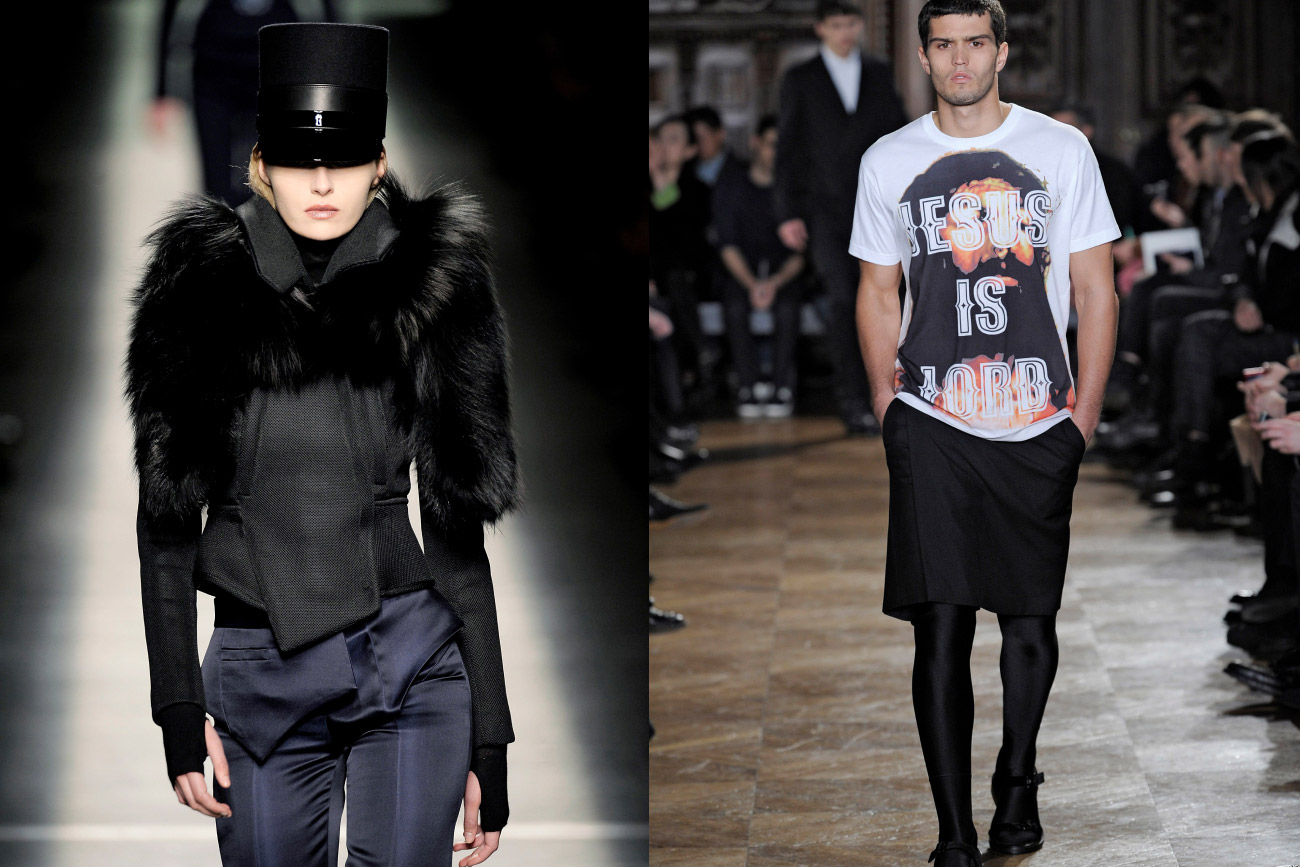
Tisci took on the position of creative director at Givenchy in 2005, during a period when established Parisian fashion houses were starting to encounter difficulties from more urban, youth-oriented labels. Drawing upon his Italian background and a keen interest in subcultural trends, Tisci incorporated streetwear components—such as graphic lettering, athletic wear shapes, vibrant patterns, and dark, dramatic designs—into Givenchy’s lines, all while preserving the brand’s high-end reputation. This strategy turned out to be visionary, as he launched items like high-top trainers, bomber coats, and hoodies adorned with religious imagery and striking visuals, resonating with both famous personalities and street fashion aficionados.
Celebrities including Kanye West, Beyoncé, and Jay-Z became emblematic of Tisci’s Givenchy era, frequently donning his sweatshirts, leather jogging pants, and oversized shirts. The ubiquitous Rottweiler T-shirt from the Fall/Winter 2011 menswear collection, in particular, stands as a case study. Retailing at luxury price points yet rooted in street iconography, it sold out globally and inspired an entire wave of animal-print garments across the industry.
Key Collaborations and Industry Disruption
Riccardo Tisci’s willingness to collaborate expanded the horizon of luxury streetwear. One standout example is his partnership with Nike in 2014, when he redesigned the classic Air Force 1 sneaker. By reimagining this symbol of hip-hop culture with premium leathers, conversion into high-fashion silhouettes, and meticulous craftsmanship, Tisci showcased how sportswear staples could resonate in the luxury sphere.
Furthermore, Tisci’s Givenchy dissolved the boundaries separating formal fashion shows and approachable street style. He enlisted models and figures from rap, skateboarding, and artistic groups, incorporating them into editorial features and fostering communication between diverse spheres. Recognizing the power of popular culture, he outfitted Madonna for her Super Bowl halftime performance and crafted daring attire for artists like Marina Abramovic. Every collaboration was deliberate, enhancing luxury’s visibility in mainstream awareness without relying on conventional marketing.
Cultural Symbolism and Democratization of Luxury
The essence of luxury, traditionally guarded by exclusivity, evolved under Tisci. By appropriating and elevating streetwear elements, he bridged a gap once thought impassable. Tisci’s fusion of tracksuits with tailored blazers, and the injection of bold prints into couture, reflected a democratization of style, making luxury appear attainable—even if price points remained high.
Social media significantly advanced Tisci’s perspective. Figures from the Instagram era, along with stylists and influencers, were drawn to his creations, employing streetwear items as emblems of both prestige and defiance. This created a cyclical effect: streetwear gained appeal within luxury spheres, and luxury labels, in turn, pursued the genuine nature and cultural value of street-smart clientele.
Burberry: Pushing the Limits
Upon joining Burberry in 2018, Tisci applied his formula to another iconic British brand. There, he revamped the heritage Burberry check with new graphics and introduced logo-heavy, sport-influenced collections that appealed to younger demographics. Drop culture—defined by limited releases and star-studded collaborations—became a central pillar of Tisci’s strategy, reflecting streetwear’s influence on consumer psychology.
Under Tisci, Burberry’s runway often showcased models in sneakers, caps, and utility vests, all crafted with immaculate tailoring and premium materials. Burberry’s B Series, a direct-to-consumer product drop system, mirrored the hype-driven releases synonymous with streetwear giants like Supreme and Off-White.
The Enduring Legacy of the Industry and the Emergence of Hybrid Aesthetics
Tisci’s methodology impacted the wider luxury industry, as labels like Louis Vuitton—led by Virgil Abloh—Gucci, and Balenciaga embraced streetwear elements. The dominant mixed aesthetic is characterized by voluminous shapes, prominent logos, advanced textiles, and partnerships with urban artists and athletic wear firms. Apparel previously confined to street fashion now takes center stage at prominent fashion weeks, and secondary sneaker markets compete with art auctions in terms of prestige and expense.
Today, luxury streetwear is not simply a trend but a subculture within the broader fashion canon. Tisci’s bold blending of references did not only alter consumer habits but also challenged the elitism of high fashion, making authenticity and relevance the new arbiters of status.
Bridging Fashion’s Current State and Its Future
Riccardo Tisci’s vision for luxury streetwear transcended seasonal trends and commercial pursuits. His ability to harmonize craftsmanship with countercultural references redefined what it means to be stylish in the digital age. As luxury continues to interface with streetwear, Tisci’s trailblazing ethos persists—inspiring a new generation of designers to look beyond boundaries and connect with both the heart and the hustle of the street.