

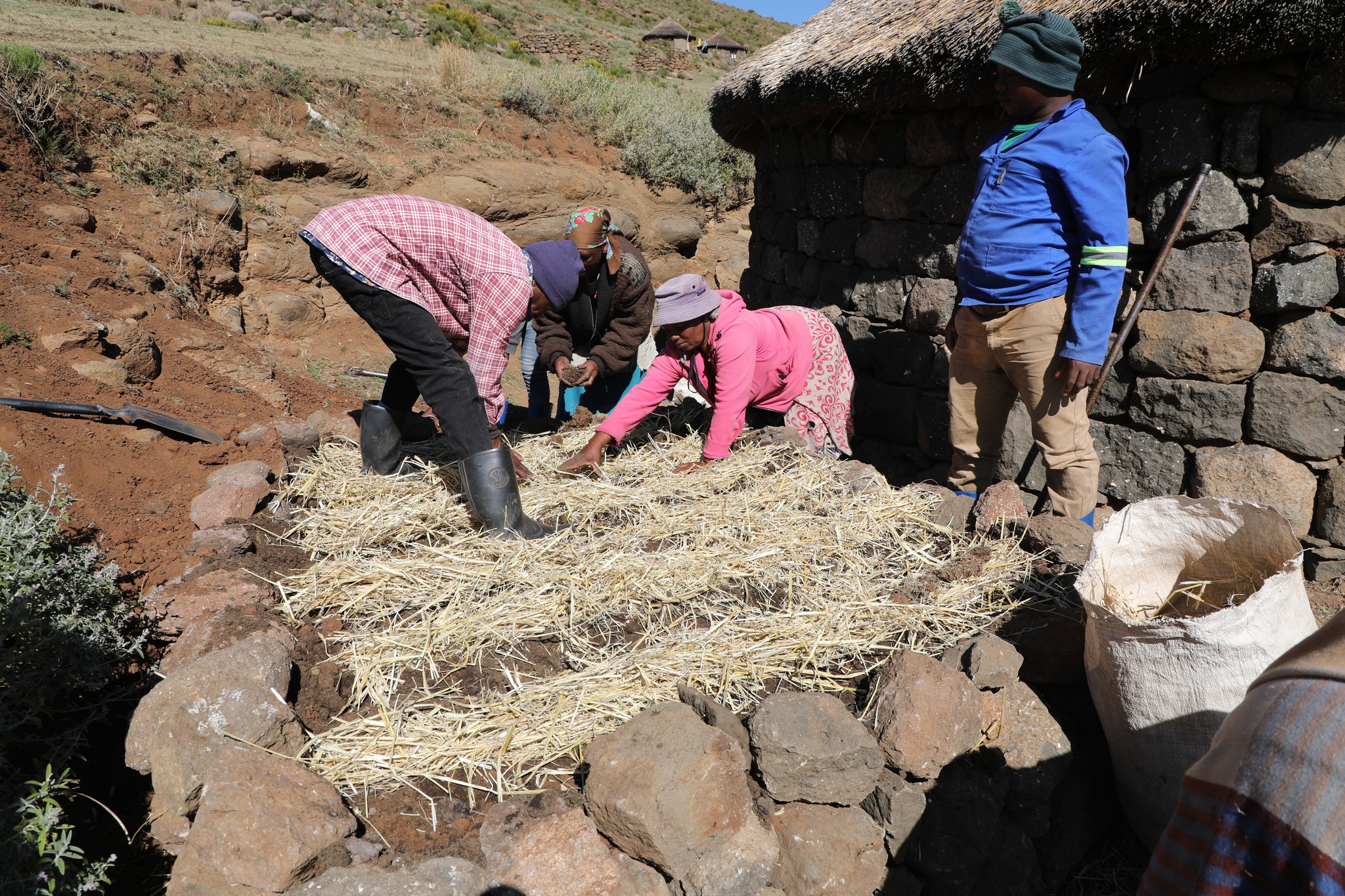

Lesotho has officially declared a state of disaster due to rising economic worries associated with possible changes in United States trade policies. This announcement emphasizes the susceptibility of the small African country to global economic fluctuations and underscores the urgent necessity for both short-term aid and comprehensive strategies to reduce external threats.
The uncertainty centers around the future of Lesotho’s preferential trade status under the African Growth and Opportunity Act (AGOA), a U.S. legislation that allows eligible sub-Saharan African countries to export goods to the U.S. market duty-free. Lesotho, whose economy heavily depends on textile exports, particularly garments, has been a significant beneficiary of this arrangement. The textile industry in Lesotho not only drives export earnings but also provides employment to tens of thousands of workers, many of whom are women and sole providers for their families.
Any risk to Lesotho’s duty-free entry to the U.S. market presents significant economic challenges. The government’s declaration of a state of disaster underscores the pressing requirement to tackle possible consequences from changes in U.S. policy that could jeopardize the nation’s delicate economic balance. Without the ongoing backing of AGOA, Lesotho is confronted with the likelihood of factory shutdowns, increasing unemployment, and intensified social issues.
The AGOA framework, implemented in 2000, aimed to stimulate economic growth by facilitating trade, giving qualifying African nations the opportunity to export various products to the United States duty-free. For Lesotho, this has resulted in a flourishing textile and apparel industry, which makes up a significant part of the nation’s GDP and export landscape. This sector has played a crucial role in generating employment, drawing foreign investments, and encouraging economic diversity in a country with scarce natural resources and a limited local marketplace.
Although the program has effectively boosted economic activity, the favored trade deal must undergo regular assessment and extension by the U.S. government. Whenever the accord approaches its termination or is evaluated, nations such as Lesotho endure increased worry concerning their economic prospects. This recent bout of doubt has prompted Lesotho to proactively announce a state of emergency, seeking to rally domestic resources and gain international backing.
Lesotho’s reliance on a single export market exposes the country to significant vulnerabilities. A reduction or removal of AGOA benefits could trigger a chain reaction of negative consequences, including mass layoffs, decreased foreign currency earnings, and reduced government revenues. The social impact would likely be profound, with increased poverty and social instability compounding the economic distress.
The government’s move to announce a state of calamity intends to spotlight the difficulties encountered by small economies that are tightly woven into worldwide supply networks but have limited ability to shape global trade rules. By emphasizing possible humanitarian and financial consequences, Lesotho aspires to rally backing not only from the U.S. but also from neighboring allies, global bodies, and development organizations.
Amidst these obstacles, Lesotho’s leaders have highlighted the necessity for immediate assistance and a shift towards a more varied economy in the long term. Initiatives are in progress to identify new markets, bolster local industries, and draw in different types of investments to lessen reliance on the textile industry. Additionally, the government has aimed to collaborate with U.S. policymakers to strengthen the shared advantages of maintaining AGOA eligibility.
The situation has ignited broader debates regarding the significance of equitable and sustainable trading partnerships between developed and developing countries. The possible removal of duty-free privileges prompts crucial inquiries about how trade contributes to poverty alleviation, economic growth, and social stability. For nations like Lesotho, losing favored access would not only impact livelihoods but could also undo the significant development progress achieved over the last twenty years.
The impact of the textile sector extends beyond direct employment. It also supports auxiliary industries, such as transport, logistics, and retail, creating a broader economic ecosystem that sustains thousands of households. The social ramifications of losing this sector would be felt across the entire population, further underscoring the urgency of the state of disaster declaration.
Lesotho’s appeal to the international community also reflects the broader challenges faced by many least-developed countries (LDCs) as they navigate the complexities of global trade. While programs like AGOA have provided essential lifelines, they also expose recipient countries to policy fluctuations in donor markets. Sustainable development, therefore, requires a multifaceted approach that includes trade, investment, capacity-building, and the strengthening of domestic industries.
The government’s response to the crisis includes immediate measures such as social assistance programs, support for affected workers, and initiatives to maintain investor confidence. Simultaneously, there is a renewed focus on education, skills development, and entrepreneurship as pathways to build a more resilient and diversified economy.
At the diplomatic level, Lesotho has sought to maintain open channels of communication with the United States, emphasizing the positive outcomes of AGOA for both nations. The textile industry’s contribution to women’s empowerment, poverty reduction, and regional stability forms part of the narrative presented to U.S. decision-makers as they consider the future of trade preferences.
In the coming months, the direction of U.S. trade policy will significantly shape Lesotho’s economic trajectory. The state of disaster designation is not just a response to an immediate threat but also a strategic move to foster dialogue, encourage investment in resilience, and prompt a reevaluation of global trade structures that often leave smaller economies at a disadvantage.
The future trajectory for Lesotho will hinge on various elements, such as global assistance, internal policy changes, and the business sector’s capacity to adjust. While the nation maneuvers through these unpredictable moments, the emphasis stays on safeguarding livelihoods, upholding economic stability, and steering toward increased self-sufficiency.
La declaración actúa como un recordatorio claro de la interdependencia de las economías mundiales y de cómo los cambios en políticas comerciales en un país pueden tener consecuencias extensas para otros. También subraya la responsabilidad de las potencias globales de tomar en cuenta los efectos reales de sus decisiones políticas en naciones vulnerables que buscan desarrollo económico y progreso social.
Lesotho’s narrative symbolizes the widespread difficulties associated with globalization and the imbalanced allocation of economic influence. The aspiration is that through conversation, collaboration, and a mutual dedication to fair growth, answers can be discovered that safeguard the interests of smaller economies while encouraging fair trade practices that advantage everyone.



.jpg "Cap Cana villas for rent offering space, privacy, and amenities")
.jpg "How to navigate Cap Cana real estate with the help of a specialist")