
An average wait of three months to see a specialist, scheduled operations that take more than a year, saturated emergency departments, with people waiting up to 6 hours, are already part of the health care panorama in the main cities of the country. Yeah particularly aggravate pediatric care.
Among the reasons there are some plausible ones, such as the migration of professionals with the deterioration of the Argentine economy, and other incomprehensible ones, such as the particular tax pressure that leads many doctors directly to choose not to work so as not to have to invoice above the limits of the monotributo and enter the profit regime that affects their income in an unprecedented way.
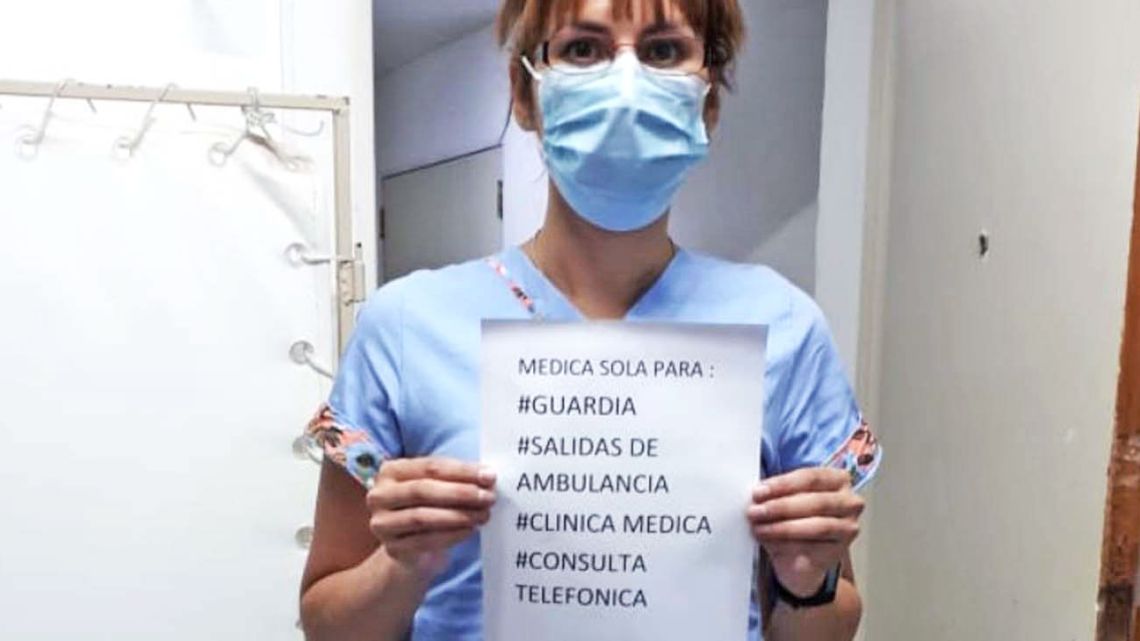
A concrete example of what is happening in public health, but which largely reflects what is happening in many hospitals, is the situation of the Sister Maria Ludovica Children’s Hospital that works in La Plata. “Our institution is in clear deterioration, for at least a decade and we have all kinds of problems,” he told PROFILE Zulma Fernández, head of the Medical Clinic service. And she exemplified: “In the summer of 2022 seven hundred surgeries awaiting. This year we have already exceeded a thousand programmed”.
But, according to the president of the Association of Professionals, the big problem is Exodus of professionals who resign and whose positions become vacant. “Five Intensive Care doctors resigned and 4 residents did not take the position after the training was completed. In other words, Intensive lost, in total, nine doctors; Mental Health lost three; the person in charge of Palliative Care requested a year of license; giving up seven neonatologists and the list goes on. In the last two years, 51 professionals from eleven specialties left”.
To measure it in other terms, a highly complex hospital, which received referrals from the entire Province and had 350 hospital beds, now works with two hundred. There is also a new regulation for resident doctors that means that they will work fewer hours per week. And many of these charges were left empty due to a lack of applicants. Finally, they have also lost part of the necessary equipment for quality care.
Many of the reasons for this health situation are known and, in part, go beyond this niche. But others are specific to the sector and could be solved relatively simply. “There is a very serious issue that originates from the lack of updating the value of the monotribute that doctors use to bill,” he explained to PROFILE neurologist Martín Cesarini, president of the La Plata Medical Association (AMP). This meeting conducted a survey of a thousand doctors in La Plata and found that, as a result of tax pressure, six out of ten professionals stated that “they were forced to reduce their job offer so as not to lose income due to the change in the tax regime.” In addition, 82% said that the tax situation negatively affects their job performance. According to Cesarini, “this trend that we see in our city is consolidated throughout the country. We believe that it is a factor that helps to deteriorate the population’s access to health”. They have already requested meetings with authorities and legislators on this issue, but – for now – they have not been received.
You may also like