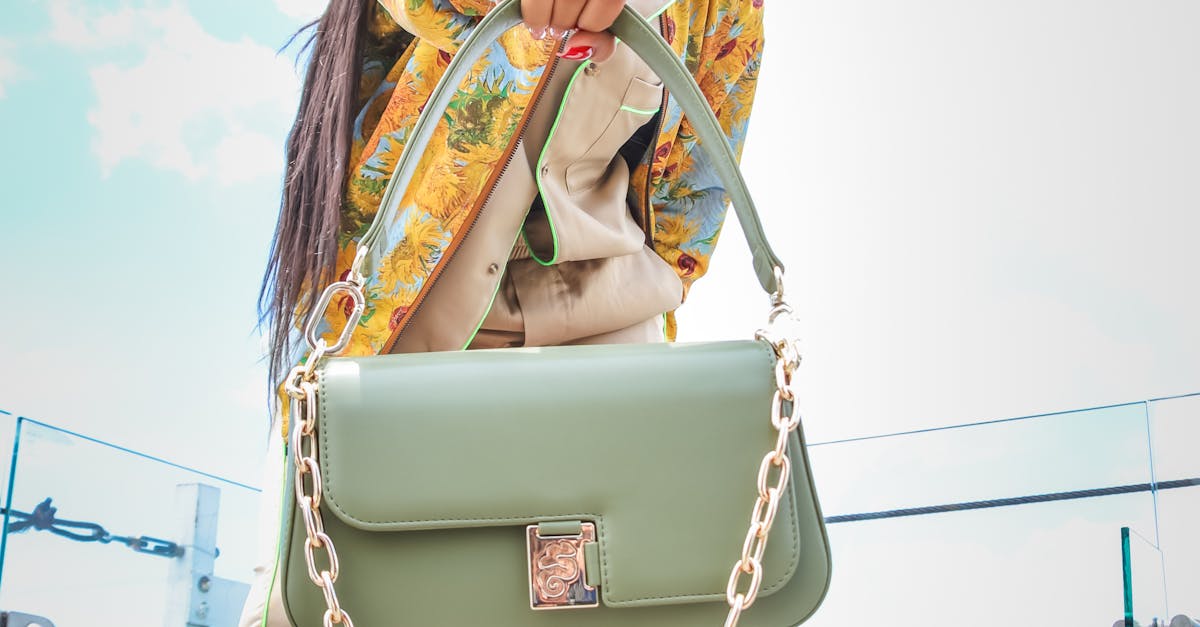
Understanding Quiet Luxury: The Subtle Elegance
Quiet luxury presents a compelling idea that moves away from the excessive show of wealth and material assets typically linked to extravagance, favoring instead a quieter, more polished sensibility defined by subtle elegance, superior craftsmanship, and enduring style, prioritizing discerning judgment and a deep appreciation for life’s finer elements that do not need to loudly signal prosperity.
The Essence of Quiet Luxury
At its core, quiet luxury embodies a belief that restraint enhances refinement. It centers on possessing a select number of exceptional items, each meticulously made from premium materials that convey quality through understated design and lasting strength. This form of luxury is defined by its discretion, avoiding overt logos or bold branding in favor of superior craftsmanship and a timeless, quietly compelling allure.
Those who embrace the notion of quiet luxury focus on inner fulfillment rather than pursuing outward approval, gravitating toward worth instead of abundance as they favor the understated assurance gained from possessing pieces that align with their own principles and sense of beauty rather than following short‑lived fads.
The Cultural Significance of Quiet Luxury
Historically, quiet luxury has been embraced by cultural elites and those with generational wealth who have the acumen to discern quality and timeless beauty. Figures such as Audrey Hepburn and Steve Jobs personify this approach with their minimalist yet impeccable style choices, where elegance was conveyed through simplicity and attention to detail.
Economically, quiet luxury often signifies a state of financial freedom. Since it is more about knowing than showing, it requires an understanding of what constitutes genuine luxury. This can be particularly appealing during times when economic and environmental concerns steer consumer preferences toward sustainable and meaningful purchases.
Market Dynamics and Shopper Responses
In recent years, the market for quiet luxury has gained momentum as consumers lean towards brands that align with personal ethics and sustainability. This shift is reflected in the rise of boutique brands and designers who focus on bespoke craftsmanship, such as Brunello Cucinelli and Loro Piana. These brands offer limited edition and exclusive items that attract discerning customers willing to invest in pieces that transcend short-lived trends.
Statistically, consumers are increasingly attracted to products that promise longevity and a lower environmental footprint. According to a 2022 report by the Business of Fashion, there has been a steady increase in consumer spending on high-quality, durable goods over fast fashion, emphasizing a shift toward quiet luxury.
Quiet Luxury in Action: Distinctive Examples from the Real World
One example of quiet luxury appears in the automotive world with brands such as Aston Martin and Bentley. Their cars evoke prestige not through loud promotion but through refined engineering, enduring aesthetics, and painstaking craftsmanship. Owners typically appreciate the driving feel and the brand’s heritage rather than focusing on ostentation.
Within interior design, quiet luxury emerges in minimalist spaces enriched with thoughtfully selected artwork and bespoke furnishings, emphasizing an atmosphere defined by refinement, comfort, and high quality rather than an excess of decorative elements.
A Thoughtful Integration
In a world where noise is often mistaken for prominence, quiet luxury design presents a refined path that elevates the quiet power of subtlety and calm. It reflects a seasoned appreciation of wealth and style, highlighting how elegance can emerge through restraint and the intrigue of minimal expression. As consumers increasingly pursue authenticity and purpose in what they buy, the spirit of quiet luxury reinforces the enduring appeal of valuing quality above abundance. This discreet yet resonant perspective may continue shaping how luxury is perceived, fostering a vision where true opulence resides not in excess but in the deliberate art of understatement.