
The days continue to pass for the Argentine economy and there is still no concrete news of the agreement with the International Monetary Fund on disbursements. Regarding this, this medium communicates with Julio Gambina, doctor in social sciences, who highlighted the “loss of exclusivity” that the IMF is having and the growth of China as a financier.
“The International Monetary Fund is losing more and more exclusivityJulio Gambina stated. “You have to think that the Monetary Fund has the United States as its main partner. But along with the United States, there are countries that have weight in the IMF. As the case of Europe, but also increasingly China”, he added.
The weight of the yuan in the valuation of the IMF
Regarding the growth of China, Gambina said that in the valuation of special drawing rights, which is the financial asset issued by the IMF, he yuanthe Chinese national currency has weight. With this context, I said: “China stands out for its economic weight in the world economy. But also, due to the growing role of the yuan”.
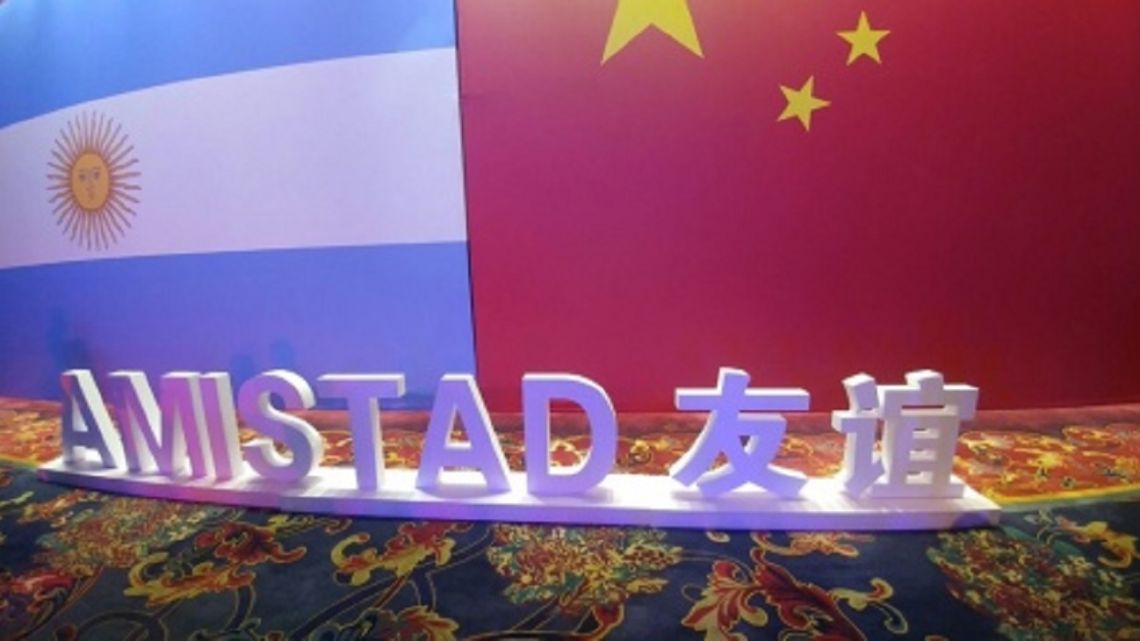
Along the same lines, the doctor of social sciences said that, “both Argentina and Egypt associate politically and diplomatically to put pressure on the International Monetary Fund” and in parallel, “to have an alternative to obtain resources outside the orbit of the United States and the dollar. Specifically, having China as the financier of last resort”.
From “dollarization” to “yuanization”
“For Argentine politics, a few months ago what was under discussion was dollarization. Now a new term appears, still very distant, which is yuanization”, emphasized the interviewee, who later complemented: “A reorientation of the Argentine monetary economy to the yuan and not to the dollar is proposed”.
Finally, Gambina raised the possibility that the agreement with China for the yuan will have “more interests” than those of the International Monetary Fund. “When there is no international credit, in this case, because the Fund has been delaying that financing. What Argentina has begun to do is pay 1,000 million dollars from the Fund with its holding in yuan and it is very probable that in the future, the maturities that Argentina has for July will end up paying in yuan”, he concluded.