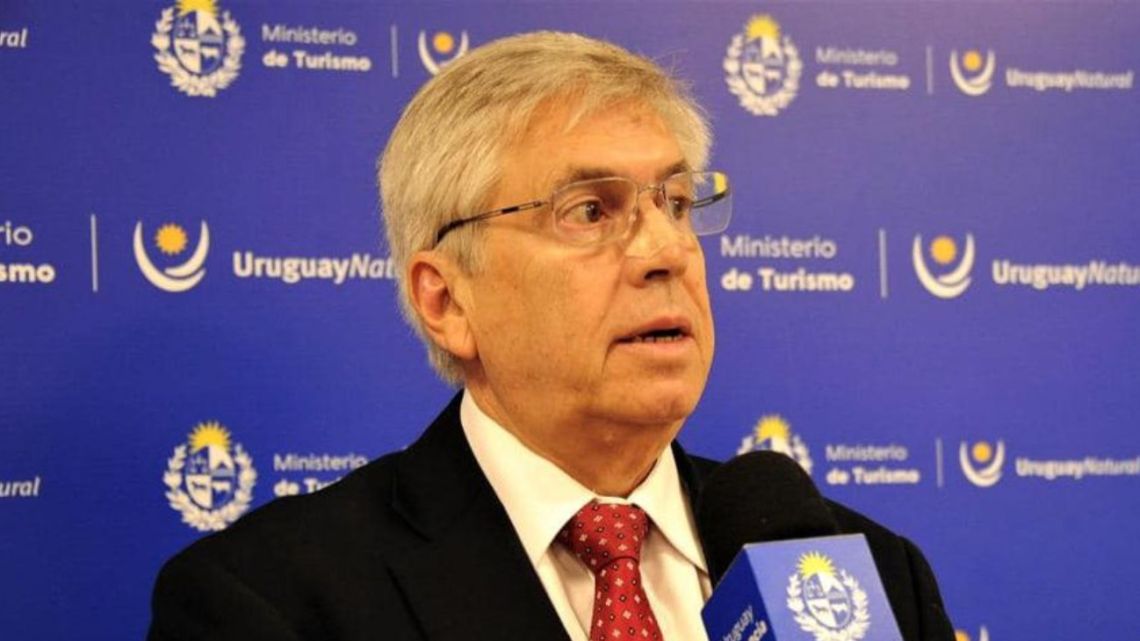

The statements of Alberto Fernandez on water emergency in uruguay led to a new disagreement with the government of the neighboring country, but on this occasion Luis Lacalle Pou He was left out of the controversy. He was the Minister of Tourism, Tabare Vierawho was upset with the Argentine president and clarified that in his country he felt “sorry” for the fact that a head of state bases his arguments on “fake news”.
“We are very sorry that a president says fake news, news that harms Uruguay”said Viera, Minister of Tourism, in dialogue with local media.
Argentina offered help to Uruguay due to the lack of water: what did the government of Lacalle Pou respond?
“We all know that in Uruguay we have difficulties with waterwe are concerned, but the water supply is assured”, the discovery near Luis Lacalle Pou was detected.
However, Viera ruled out that Fernández’s expressions will be directly related to the decrease in tourist flow.
In that, the leader clarified that tourism in Uruguay “is moving slowly” and that the areas most affected by the tourist crisis are the departments of the coast and the hot springs as a result of “The competition with Argentina and the difference would change”.
In the midst of the water crisis, the level of fresh water in Uruguay rose for the fifth consecutive day
Lacalle Pou did not miss Fernández’s statements
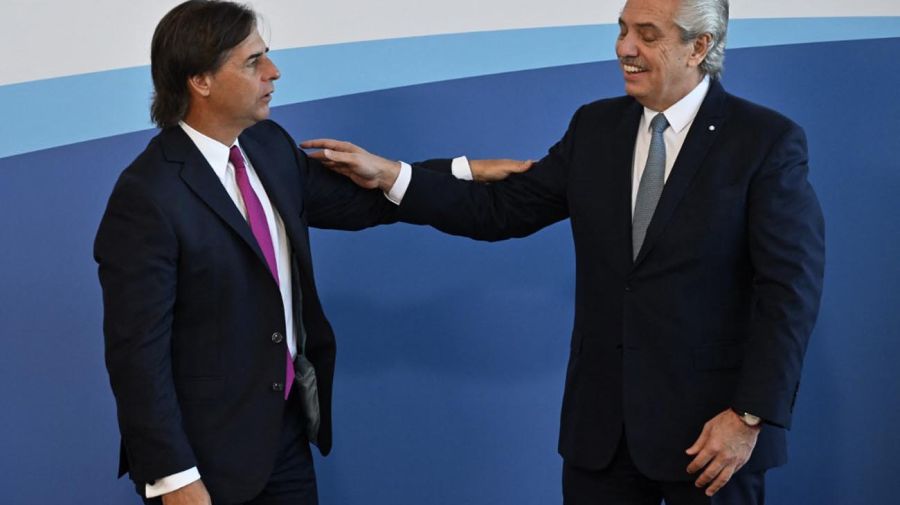
A few days ago, in the framework of the inauguration of the Néstor Kirchner gas pipeline, Alberto Fernández launched the phrase that caused discomfort in the Uruguayan government: “In Montevideo they open the faucets and the water doesn’t come out.”
in front of this, Luis Lacalle Pou clarified that his colleague expressed himself in these terms “for two reasons: bad intention, that I rule it out, or out of ignorance”.
He also slipped that his Argentine counterpart could have read in “incorrect information” on the internet.
The water emergency in Uruguay
Alberto Fernández’s words came when the neighboring country was going through a water emergency caused by the most serious drought in its history, which brought the reserves of Paso Severino to historically low levels: as of July 9 they are in 1,565,255 cubic meters, an increase of 14.5% in the last four days. The crisis led to fears of a shortage of water suitable for consumption that would affect 1,800,000 Uruguayans, 60% of the country’s total population.
To alleviate the lack of rainfall, Obras Sanitarias del Estado (OSE), the state company that supplies drinking water in Uruguay, has been mixing the water from Paso Severino with another from courses near the Río de la Plata, which is more brackish for come from the estuary. This forced a temporary increase in the maximum and allowable sodium chloride levels for the water.
AC/ED