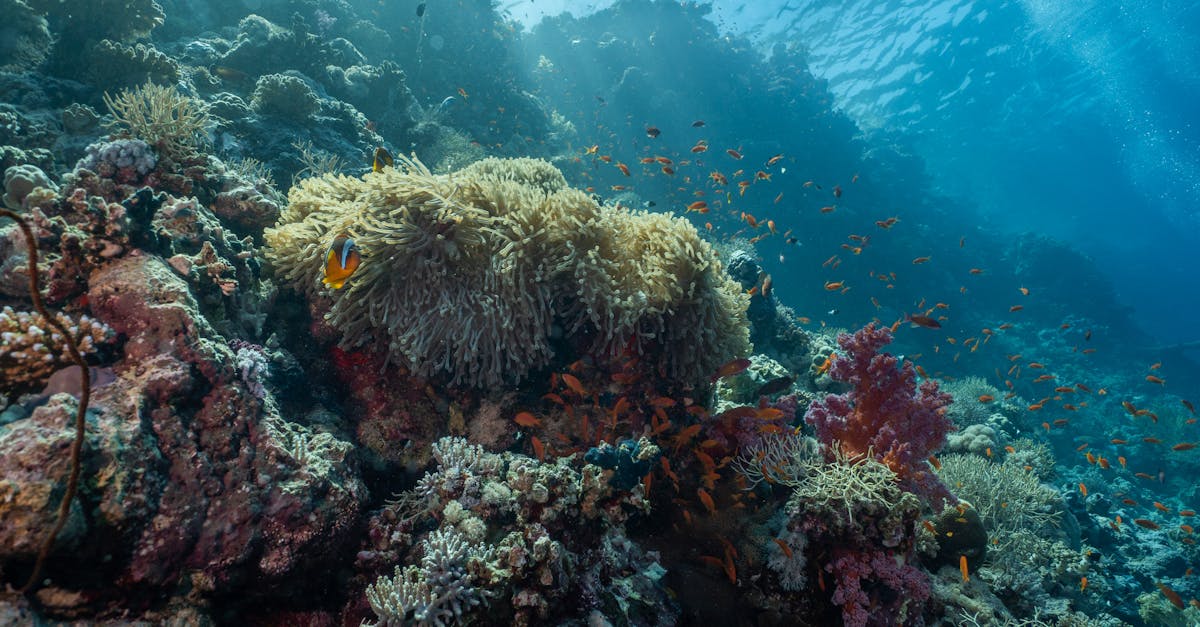

Belize is a small Central American nation endowed with remarkable biodiversity, featuring a coastline that encompasses the approximately 300‑kilometer Belize Barrier Reef Reserve System, wide expanses of mangrove ecosystems, seagrass meadows, and extensive stretches of lowland tropical rainforest. Home to an estimated 400,000–420,000 inhabitants, Belize relies significantly on its marine and terrestrial natural assets, including tourism, fisheries, and agriculture. Corporate social responsibility (CSR) efforts aimed at conserving biodiversity while reinforcing local economic resilience have become vital for safeguarding both the environment and community livelihoods.
Why CSR matters in Belize
Private-sector engagement is essential because:
- Natural assets (reefs, mangroves, forests) directly support tourism and fisheries—primary income sources for many Belizean communities.
- Public budgets alone cannot fund effective protected-area management, enforcement, restoration, and community development.
- CSR can catalyze financing, technical support, and market access for sustainable local enterprises that reduce pressure on ecosystems.
Effective CSR integrates corporate risk oversight and brand reputation with tangible environmental protection and socio-economic results.
Notable CSR initiatives and collaborative partnerships
Below are documented frameworks and noteworthy Belize cases that showcase varied CSR strategies and their results.
Turneffe Atoll Trust (mooring buoys, restoration, resort partnerships)
Turneffe Atoll Trust works with dive operators, resorts, and donor partners to finance and install mooring buoys that prevent anchor damage, carry out coral restoration, and train local guides and boat crews. Resorts contribute funding and in-kind support, while Trust-led patrols and community outreach reduce reef damage and create guest-facing conservation stories that add value to tourism products.
Healthy Reefs for Belize (private-sector coalition for reef monitoring)
Healthy Reefs is a coalition of conservation NGOs, fisheries groups, and tourism businesses that funds reef-health monitoring and public reporting. The coalition channels tourism-sector contributions into science-based management, creating data that supports targeted CSR investments (e.g., waste management upgrades, stormwater projects) and helps companies demonstrate impact through measurable reef indicators.
Community-based fisheries management in Toledo (TIDE and local enterprises)
The Toledo Institute for Development and Environment (TIDE) has collaborated with local communities to set up locally stewarded marine zones, enhance sustainable lobster and conch management methods, and broaden income sources through eco-tourism and value-added agricultural activities. Corporate partners and tourism providers have contributed cold-chain technology, improved market pathways, and hands-on training, boosting earnings while helping ease pressure on overfished stocks.
Friends for Conservation and Development and forest-based ecotourism
Groups such as Friends for Conservation and Development collaborate with businesses to bolster community-operated ecotourism lodges, expand guide training, and advance sustainable smallholder initiatives bordering protected areas. These CSR commitments help create jobs and strengthen local stewardship of conservation results while channeling visitor spending directly into community economies.
Debt-for-nature and blue-finance partnerships
Belize’s involvement in global conservation financing mechanisms—including debt swaps and blue-finance structures crafted with conservation groups and investors—demonstrates expansive public–private approaches. These arrangements often channel the resulting fiscal relief toward managing protected areas, supporting sustainable fisheries, and advancing climate resilience initiatives that aid coastal populations and the tourism industry.
Mangrove and seagrass restoration supported by private donors
Several tourism operators, beverage and retail companies, and philanthropic corporate foundations have supported mangrove nursery programs and seagrass restoration. These habitats sequester carbon, protect shorelines, and sustain juvenile fisheries; CSR funding often covers labor, nursery materials, and community wages.
Measurable impacts reported
CSR-linked conservation efforts in Belize have produced a range of measurable outcomes when sustained, transparent, and locally led:
- Improved fisheries indicators inside well-enforced local marine reserves, including increased fish abundance and size over multi-year monitoring periods.
- Reduced reef damage in high-traffic dive sites after mooring-buoy programs were implemented.
- New or enhanced livelihoods—ecotourism jobs, guide training, value-added seafood processing—leading to diversified household incomes and reduced dependence on unsustainable extraction.
- Strengthened co-management: local committees participate in decision-making, patrols, and benefit-sharing, improving compliance and long-term stewardship.
Where CSR flows into systematic monitoring and capacity building, ecological gains are more durable and linked to clear socioeconomic benefits.
Key elements of successful CSR in Belize
Successful CSR projects share several design features:
- Community-first design: projects co-developed with local leaders to align conservation with livelihood priorities and cultural norms.
- Long-term funding horizons: sustained financial commitments (multi-year) for enforcement, monitoring, and enterprise development rather than one-off donations.
- Data-driven interventions: funding used to collect science-based indicators that guide management and demonstrate impact.
- Integrated value chains: connecting producers to markets—tourism operators buying local seafood or crafts, or companies investing in processing and cold storage—to ensure benefit flows to communities.
- Transparency and third-party evaluation: independent monitoring and public reporting build trust and replicability.
Challenges and risks
CSR in Belize faces several recurring challenges:
- Fragmented funding and short project cycles that limit ecological recovery timelines.
- Risk of greenwashing if CSR emphasizes publicity over measurable results or community benefits.
- Data gaps: insufficient long-term monitoring can obscure true ecological outcomes or social distributional effects.
- External pressures—climate change, hurricanes, regional overfishing—can undermine local gains without broader policy and finance support.
Recognizing and designing for these risks improves durability and fairness.
Practical guidance for companies looking to invest in Belize
Companies aiming for substantive CSR outcomes should:
- Collaborate with community organizations and local authorities to jointly craft initiatives that reflect local priorities and secure clear consent.
- Allocate multi-year financing anchored to quantifiable ecological and socioeconomic metrics (e.g., reef health scores, shifts in household income, employment data).
- Enhance local capacity by offering training for guides, fisheries management, sustainable farming, and bookkeeping, helping ensure benefits remain community-based.
- Focus on actions that build market connections (e.g., purchasing seafood from certified community fisheries, advancing community-driven tourism) so results can endure independently.
- Channel resources into resilience-enhancing efforts—such as mangrove rehabilitation, stormwater system improvements, and climate-ready infrastructure—that safeguard ecosystems and businesses alike.
- Rely on transparent reporting and independent assessments to reduce reputational exposure and refine program models using evidence.
Policy and partnership environment that amplifies CSR
CSR proves most impactful when it is woven into enabling policy frameworks and broad-based partnerships:
- Working jointly with national agencies (conservation, fisheries, tourism) helps align corporate capabilities with the country’s core management objectives.
- Public‑private financing models and conservation trust funds offer stable, long-term funding streams for managing protected areas.
- Cross‑regional collaboration on shared fisheries and climate resilience strengthens the overall value generated by local CSR commitments.
Corporate investments aligned with government initiatives and civil-society networks can amplify impact far beyond isolated projects.
Belize demonstrates that focused corporate collaboration can help safeguard biodiversity while bolstering local economies, provided initiatives remain community-driven, grounded in scientific insight, and consistently maintained. Illustrations such as mooring buoy systems, community-governed marine zones, ecotourism alliances, and creative blue-finance mechanisms reveal multiple ways to align commercial priorities with conservation objectives. Achieving lasting ecological renewal and resilient livelihoods depends on continuous funding, rigorous monitoring, and flexible governance. Looking ahead, CSR that emphasizes fair distribution of benefits, strengthens local capabilities, and incorporates climate resilience will most effectively preserve Belize’s natural capital and the communities that rely upon it.