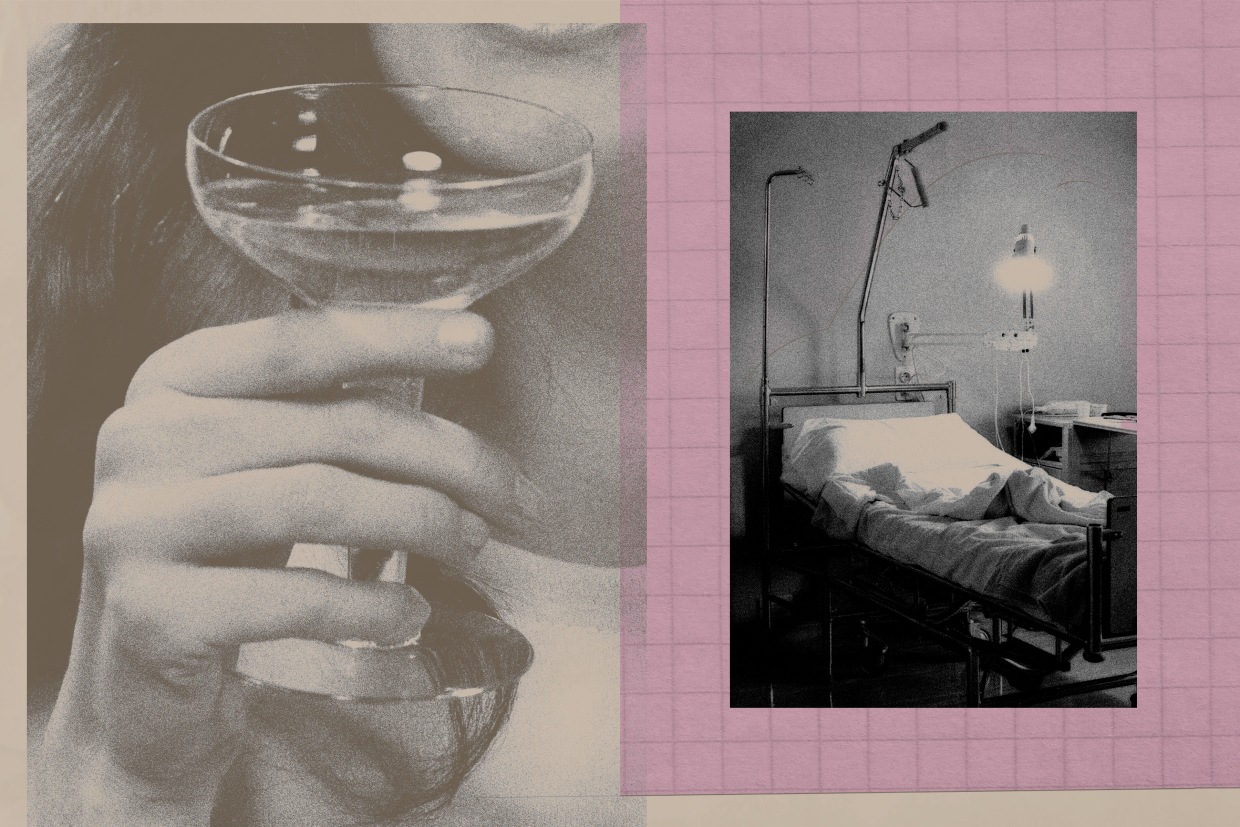

Across the United States, alcohol use among women has increased significantly in recent years, prompting growing concern over the health implications. Once generally consuming less than men, women’s drinking habits have not only caught up in frequency, but also pose greater biological risks—even at lower levels of intake. This trend is especially notable among women in their 30s and 40s, who have increased binge drinking and reported more symptoms of alcohol use disorders than previous generations.
Various factors seem to be contributing to this increase. There have been shifts in societal norms; women are now more inclined to postpone marriage and having children, further their studies, and embark on careers that provide increased financial stability and autonomy. Coupled with focused marketing efforts by alcohol companies, these shifts have promoted an environment where consuming alcohol is viewed as a common aspect of contemporary women’s lives. Additionally, stress and mental health challenges, especially during and following the COVID‑19 pandemic, have led numerous women to resort to alcohol as a means of coping.
While women generally drink less alcohol compared to men, their bodies handle alcohol in distinct ways. Women usually possess less water content and their alcohol metabolism is not as effective, leading to increased blood alcohol levels with similar consumption. This physiological difference renders women more susceptible to harm, even with moderate intake, hastening the decline of physical and mental well-being.
Health effects linked to rising alcohol consumption in women are concerning and diverse. Liver damage is one of the most troubling results; women experience issues such as alcoholic hepatitis or cirrhosis sooner and with lower alcohol levels than men. Cardiac problems—like high blood pressure and cardiomyopathy caused by alcohol—also manifest more quickly. Mental impairments are an additional issue, as women demonstrate symptoms of brain reduction and memory loss faster when consuming large amounts of alcohol. Visits to emergency departments connected to alcohol have increased dramatically among women over recent years, exceeding the growth found in men.
Cancer risk also features prominently in the conversation. Alcohol has been classified as a known carcinogen, and regular drinking—even as few as one drink per day—elevates a woman’s risk of developing breast cancer by approximately 10%. This risk compounds with higher levels of alcohol use. Other hormone-sensitive cancers may also be intensified due to effects on estrogen levels and cellular damage, adding further public health urgency.
Women who consume alcohol excessively have an increased risk of experiencing reproductive issues like menstrual disturbances, infertility, early onset of menopause, and pregnancy loss. Expectant mothers who drink alcohol endanger fetal development significantly, potentially causing conditions such as fetal alcohol spectrum disorders (FASD), along with elevated risks of stillbirth, premature delivery, and developmental challenges.
Mental health is another arena where alcohol’s impact is profound. Women who misuse alcohol are more likely to experience anxiety, depression, and self-harm. Alcohol-related mood swings, poor sleep, and emotional dysregulation often create a feedback loop—heightening the likelihood of further drinking to self-medicate stress or trauma. The stigma surrounding women and addiction can also make it harder for them to seek treatment, even as they face unique social judgments.
Analysis indicates that fatalities tied to alcohol among women have surged significantly over the past few decades. Death rates associated with alcohol consumption almost doubled from 1999 to 2020, with the most pronounced hikes seen in younger females in their late twenties and early thirties. Midwestern U.S. states have particularly noted these sharp increases. In numerous communities, the growth percentage in deaths from liver disease, heart-related events, and alcohol toxicity among women is exceeding that of men.
Parte de este incremento refleja lo que los investigadores denominan el “efecto telescópico”: las mujeres avanzan más rápidamente desde el inicio del consumo hasta la dependencia y las complicaciones de salud en comparación con los hombres. Este fenómeno, junto con factores sociales como el estrés, la publicidad y el consumo habitual de alcohol, genera una trayectoria peligrosa.
Despite the risks, awareness of safe drinking guidelines remains low among many women. U.S. public health recommendations suggest limiting alcohol intake to no more than one standard drink per day, or up to seven drinks per week. However, surpassing this limit—even occasionally—can carry real health consequences, especially for women with underlying conditions or risk factors.
Addressing the trend requires a multifaceted approach. Health professionals emphasize the importance of early screening and support in primary care. Brief interventions in clinical settings have been shown to help individuals reduce alcohol consumption. Greater public awareness campaigns could help communicate how alcohol uniquely affects women, and how even moderate drinking can raise the risk of breast cancer, liver disease, and mental health challenges.
Policies that support prevention are also essential. Enhancing access to mental health services, reducing stigma around addiction treatment, and promoting alternatives to alcohol for stress management can mitigate harmful behavior. Community-based programs and gender-sensitive treatment centers may help women navigate recovery more effectively.
Additionally, controlling alcohol advertising—specifically those campaigns aimed at women with themes linked to empowerment or lifestyle—may decrease exposure to advertisements that make heavy drinking seem normal. Promoting social environments and marketing to provide non-alcoholic choices can alter perceptions regarding leisure and festivities.
Equally important is embedding alcohol education within broader conversations about women’s health. Highlighting the risks linked to even light-to-moderate drinking—such as increased cancer risk or early cognitive decline—can help women make more informed choices. Healthcare providers can play a role by integrating conversations about alcohol into routine checkups and reproductive health visits.
Looking forward, the normalization of heavy drinking among women remains a growing public health concern. As more women drink regularly or heavily, the burden on healthcare systems and families is likely to increase—unless meaningful interventions take hold. Early prevention, societal awareness, and accessible support services are key to reversing the trajectory.
In the end, comprehending the distinct ways in which women metabolize alcohol, and how societal behaviors intersect with biological factors, should inform initiatives to reduce increasing consumption. Recognizing that alcohol presents particular dangers for women—even in smaller quantities—is crucial for developing public health strategies that provide gender-targeted solutions.
As ongoing studies shed light on this pattern, the need for urgency is evident: the increase in alcohol consumption among women transcends mere demographic changes; it is becoming a significant health issue that demands awareness, empathy, and prompt intervention.